
The trick to an expensive-looking wedding is not spending money everywhere. After more than 500 ceremonies, I have watched plenty of couples spend heavily on details guests barely notice, while a few deliberate choices made a modest celebration feel remarkably polished. Elegant does not mean elaborate. It usually means the room, tables, flowers, lighting, and paper goods are telling the same story. The current wedding design advice backs that up, with restrained palettes, layered textures, greenery, candles, and intentional focal points continuing to show up in polished celebrations.
Choose a Beautiful Backyard or Garden Venue
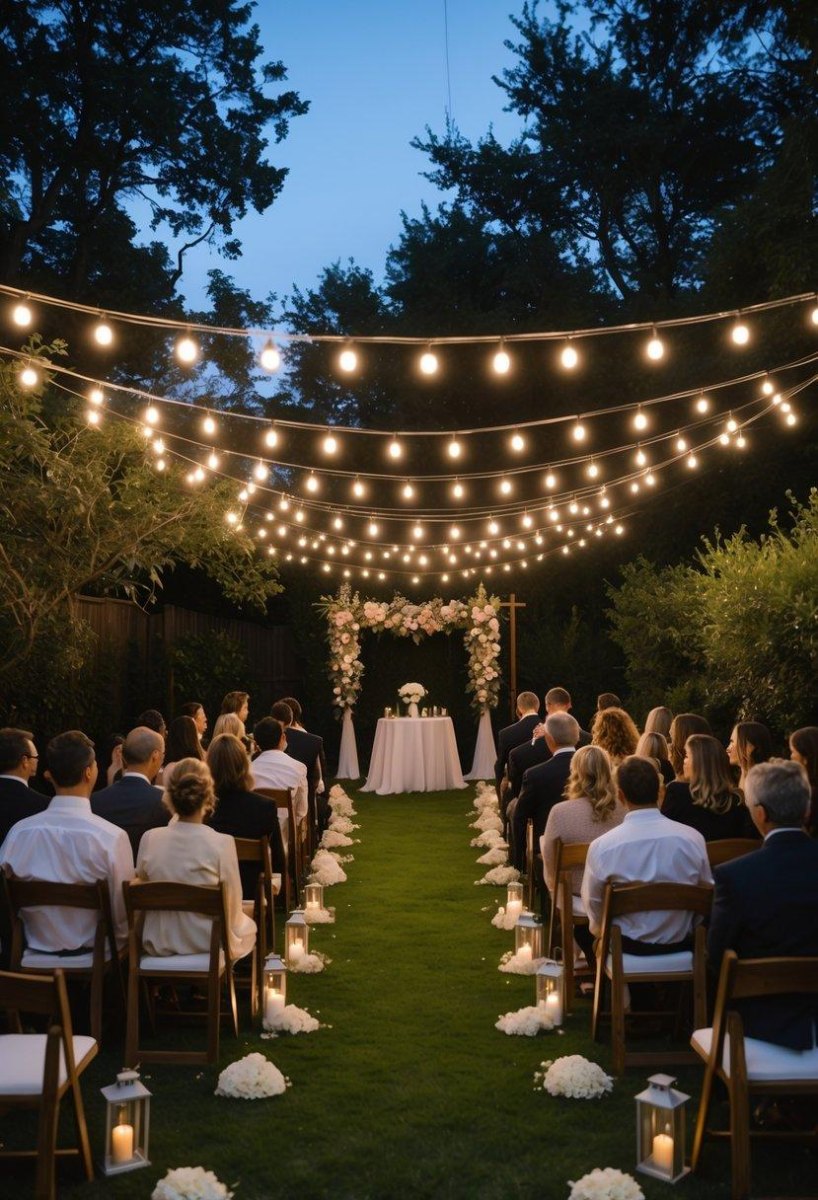
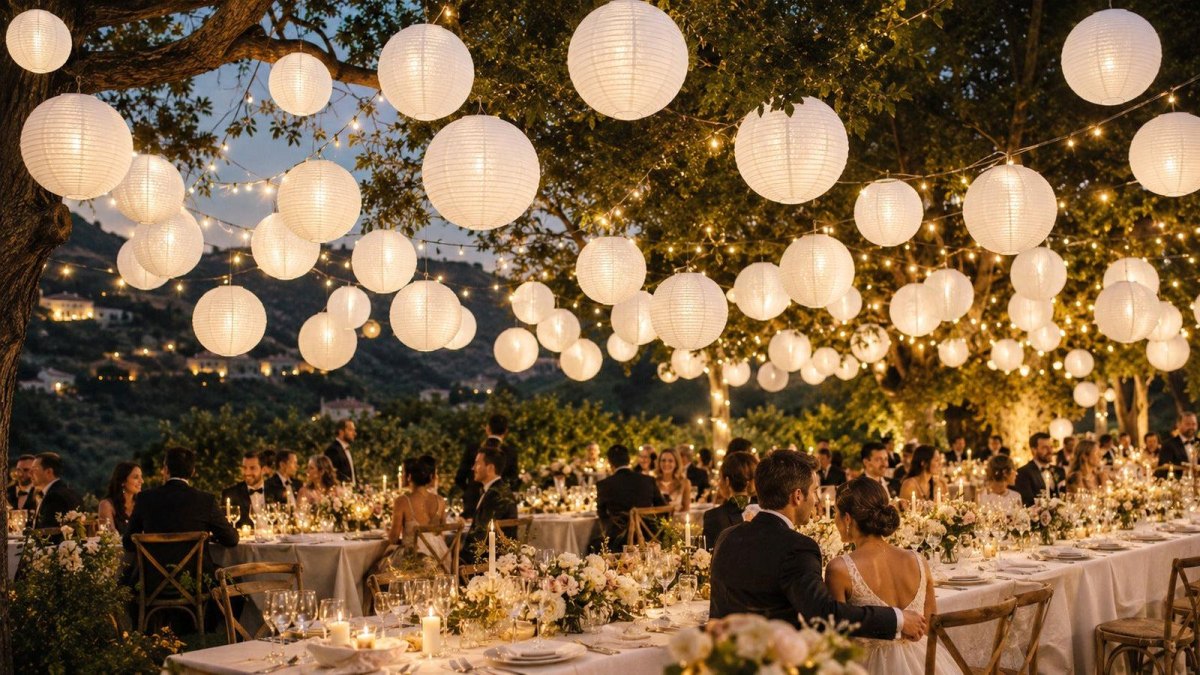
A beautiful setting can do half the decorating for you, which is why I am fond of backyard and garden weddings. Mature trees, a planted border, a stone patio, or even a particularly good view can become the backdrop instead of something you have to manufacture. Recent wedding planning advice makes the same point: treat the backyard as the venue, then build the layout around its strongest features rather than trying to disguise it as a ballroom.
I have officiated four weddings in my own yard, so I am contractually obligated to mention the unglamorous part. Check parking, bathroom access, power, neighbours, noise restrictions, rental delivery, shade, and a weather backup before you fall in love with the idea. In Arizona, I would never put guests in formal clothes under the afternoon sun simply because the photographs looked lovely. Guest comfort is part of luxury, and for an outdoor ceremony you should have real shade, water, sensible timing, and a backup plan for bad weather.
Use Candlelight to Create Instant Elegance
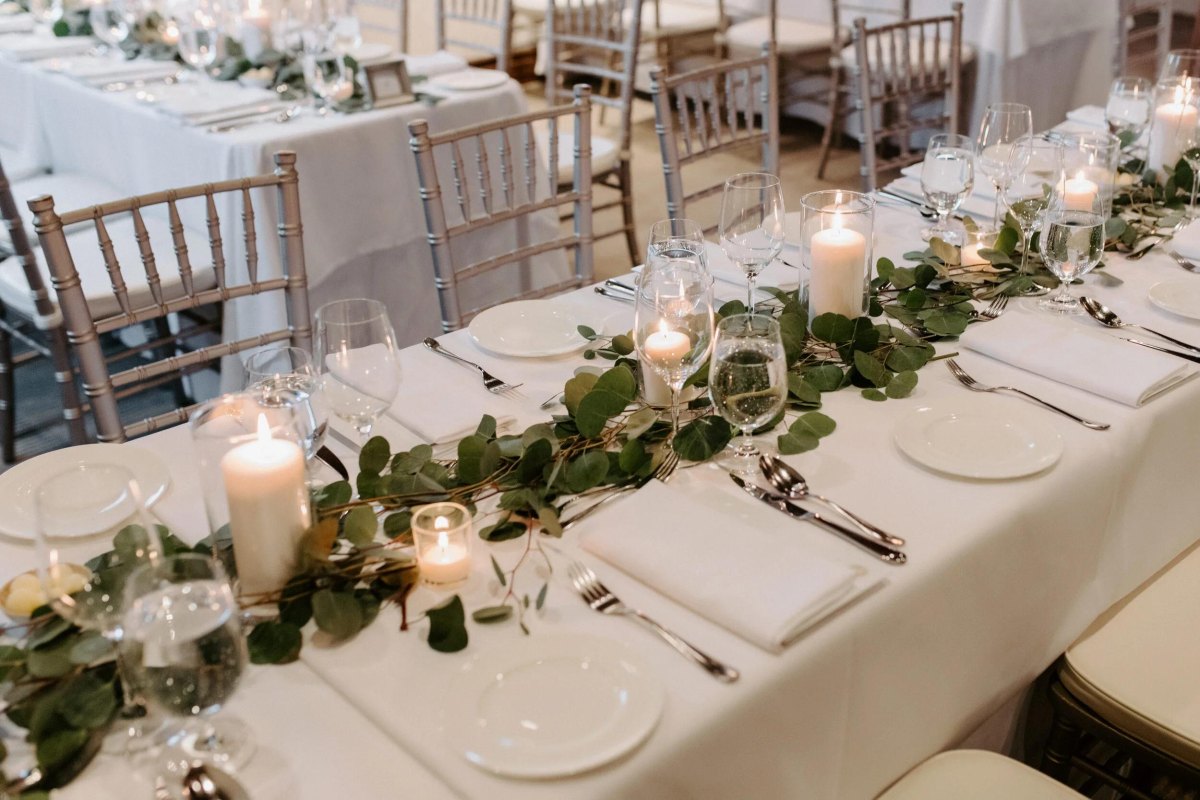
If you want the fastest visual upgrade I know, turn down the harsh overhead lighting and add layers of candlelight. Tapers, votives, lanterns, and candles in clear vessels create height and sparkle without requiring every table to carry a giant floral arrangement. Candle centerpieces remain a classic precisely because they work across formal, romantic, modern, and garden styles.
I especially like using candles to fill the spaces between smaller floral arrangements. That lets the flowers breathe while the light carries the rest of the table after sunset. Just check your venue's rules and keep flames stable and safely positioned; outdoor tables also need protection from wind. Warm light photographs beautifully, but it should never come at the expense of fire safety or clear sightlines between guests.
Make Simple Greenery Look Luxurious
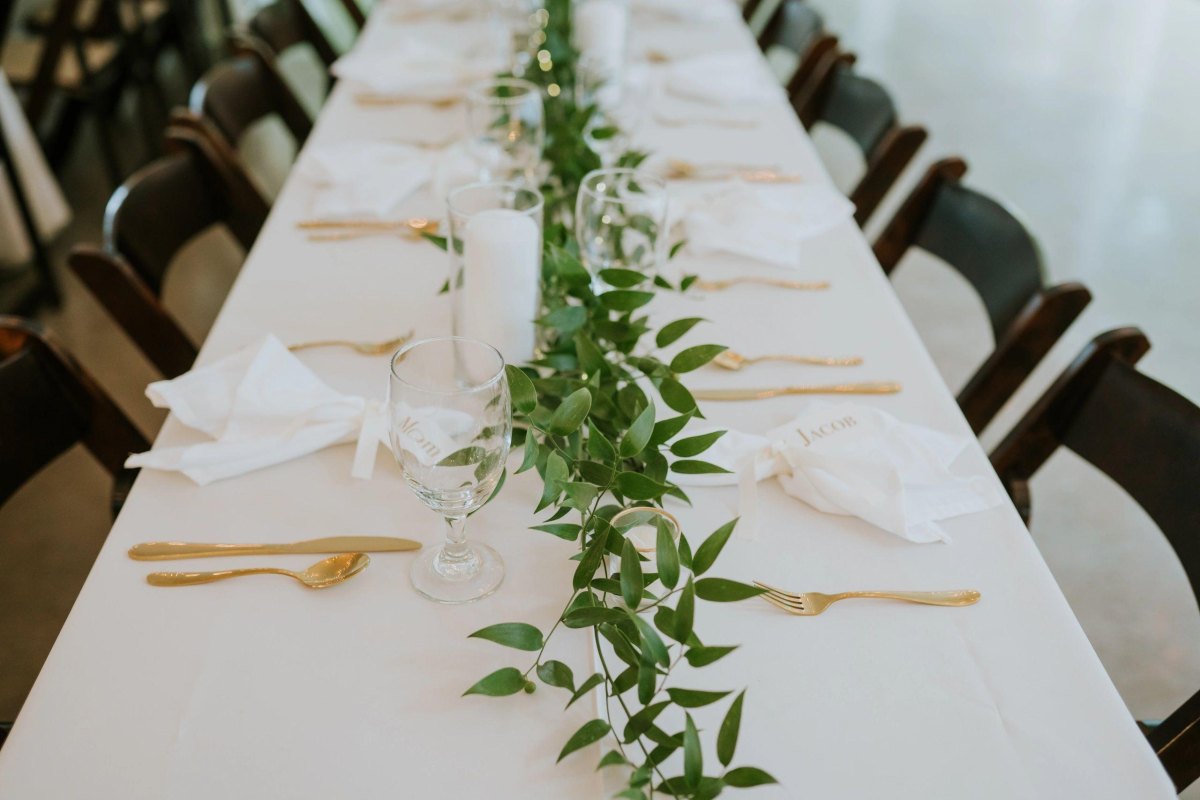
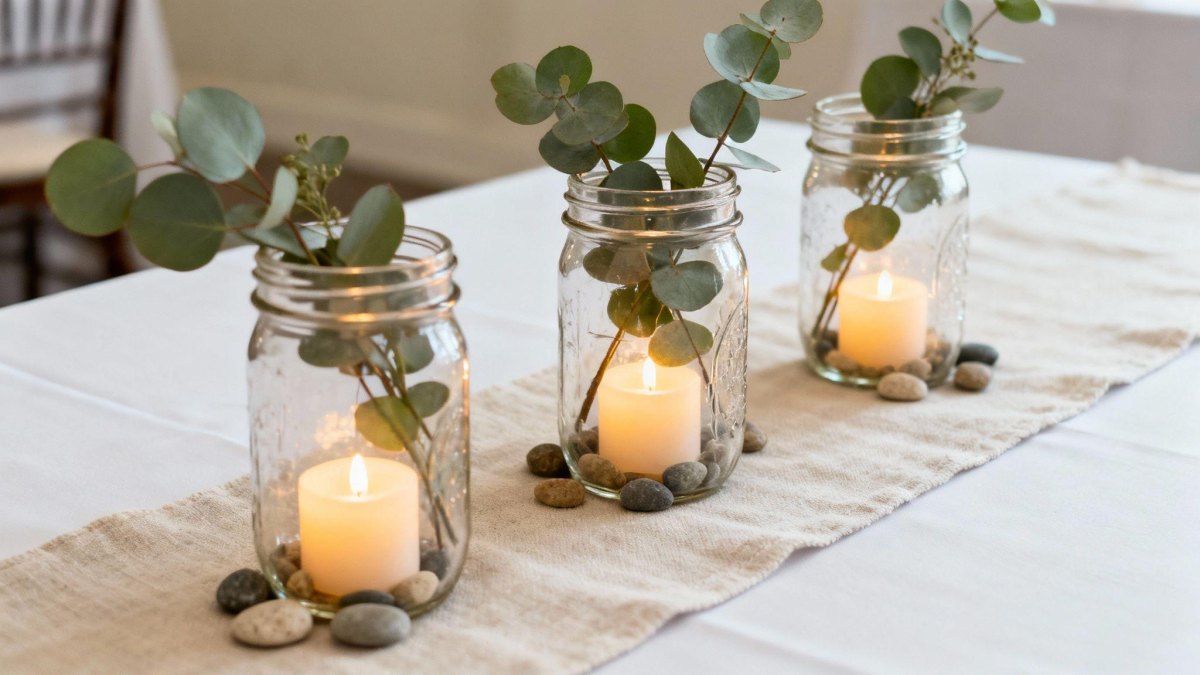
Greenery is one of my favourite budget tools because it gives a table or ceremony space visual volume without requiring a flower in every inch. Garlands, olive branches, eucalyptus, leafy stems, and other foliage can run down a long table, frame an arbor, or soften a welcome table. Current wedding guidance continues to feature greenery as a standalone design element rather than merely filler around flowers.
The trick is repetition. Choose one or two types of foliage and use them consistently instead of buying six different varieties because they are pretty. I have seen a simple leafy runner look far more expensive than a collection of unrelated centrepieces. Consistency beats quantity, especially when the greenery is paired with clean linens and a little candlelight.
Rent Statement Furniture Instead of Buying Decor
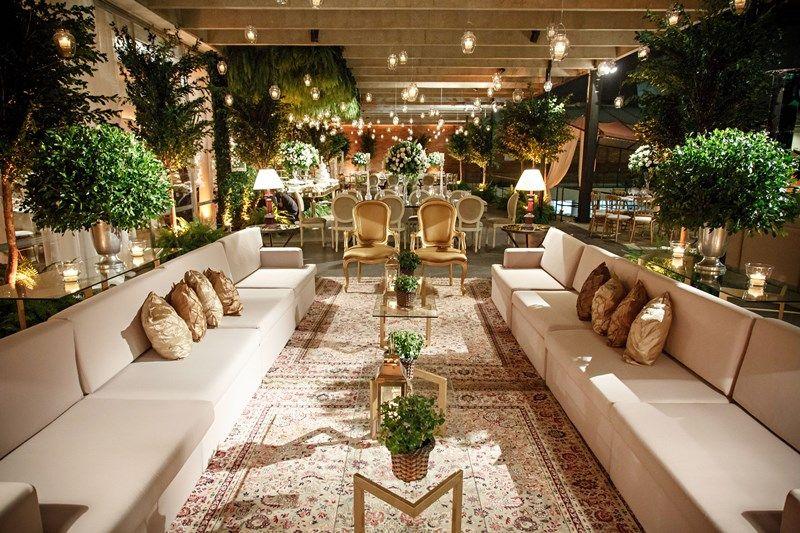
I would rather see a couple put money into one beautiful seating area than buy fifty little decorations that have to be stored, transported, assembled, and eventually shoved into a garage. Rental companies can give you a polished sofa, distinctive chairs, a bar, or a lounge grouping for the day without leaving you with an attic full of wedding furniture. Rental guidance also identifies decor rentals as one practical way to control wedding costs.
There is a catch, and I want you to read the rental contract rather than assuming the word “rental” means inexpensive. Ask about delivery, setup, pickup, damage fees, minimum orders, substitutions, cancellation, postponement, and weather. Compare the complete rental price, not just the attractive number beside the chair or sofa. If secondhand pieces make sense for your style, thrifted wedding furniture and decor can also create character without requiring a brand-new collection.
Create a Chic Tablescape with Affordable Details
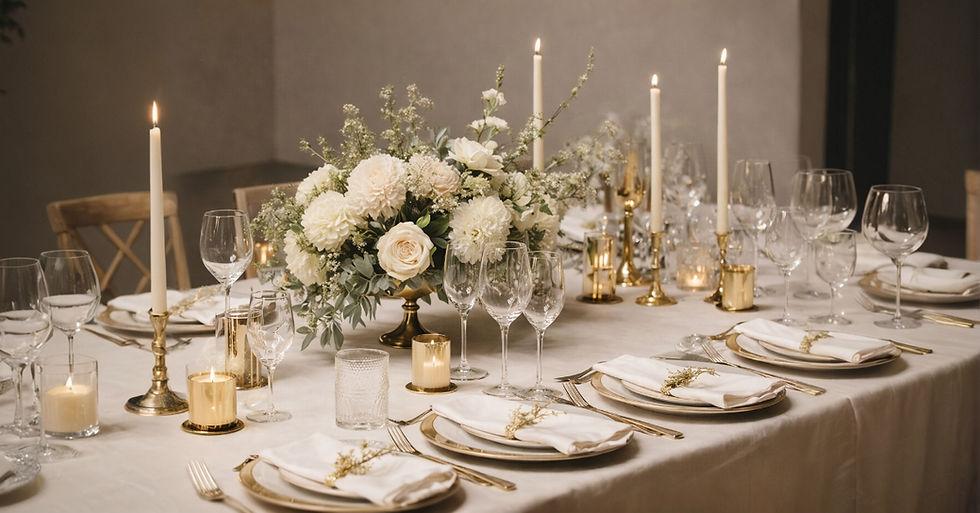
A wedding table does not need expensive china to look considered. Start with a clean linen, then add one strong layer of texture: a runner, folded napkin, interesting glassware, a simple menu, or a restrained centerpiece. Current tablescape examples show how monochromatic elements, layered textures, personalized paper goods, and distinctive tableware can make a reception feel much more intentional.
I also like borrowing the visual language of expensive tables without buying everything new. Thrift shops and resale markets can turn up fine china, linens, glassware, brass pieces, and candleholders, particularly when you shop with a specific palette in mind. Choose one table detail to splurge on and let the inexpensive pieces support it. That is much more convincing than trying to make every item a star.
Choose One Showstopping Floral Installation
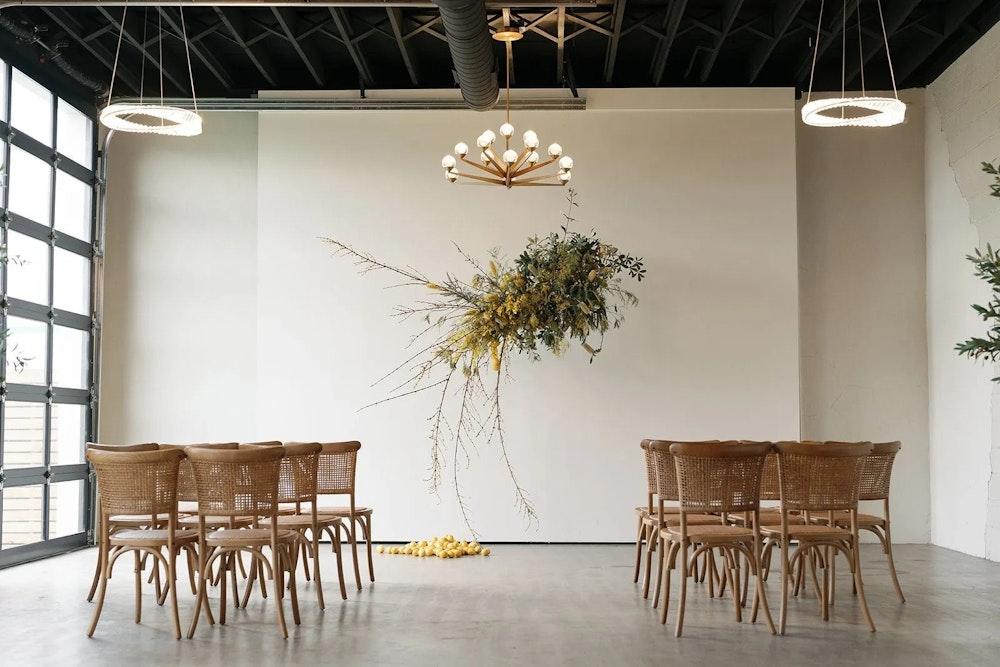
Here is where I want to save you from the florist quote that makes you sit down. Wedding flowers can add up quickly; The Knot's May 2026 data puts average U.S. wedding flower spending at $2,800, with the median spending tier around $1,900 and the lower quartile around $900. Region, season, guest count, and design complexity can move those numbers substantially.
Instead of asking for flowers everywhere, choose the place everyone naturally looks: the ceremony arch, sweetheart table, entrance, or a dramatic installation above the reception. Then keep the rest restrained. Florists can also help you design within a stated budget, and current advice continues to favour flexibility with flower varieties and quantities rather than locking yourself into an expensive Pinterest photograph. Spend for the focal point, then let smaller arrangements echo it.
Elevate the Look with Coordinated Stationery
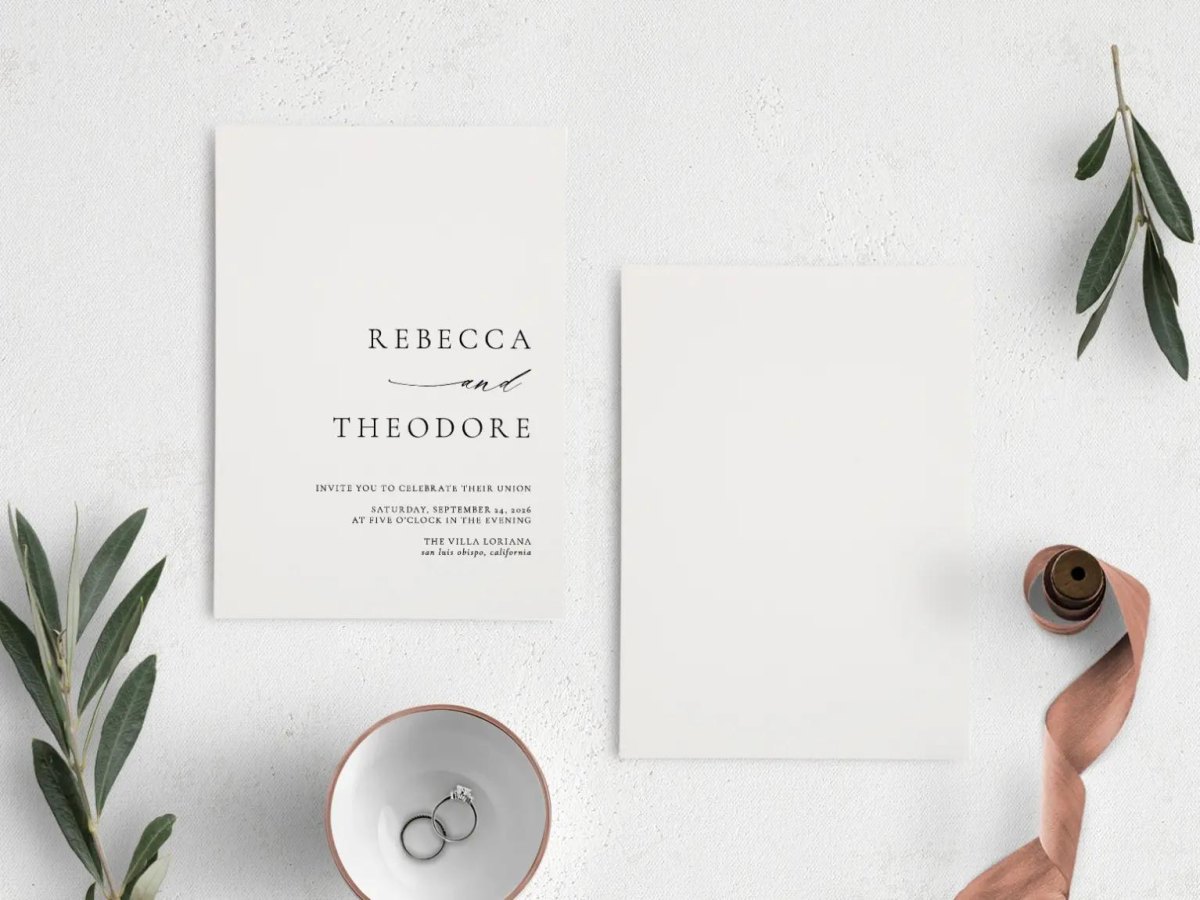
Paper goods are small, but they are unusually good at making a wedding feel pulled together. Use the same typeface, colours, and general design language on the invitation, menu, place cards, and welcome sign. You do not need letterpress on everything; digital printing is the budget-friendly tier, while premium paper and finishes are what tend to push the price upward.
For a 100-person wedding, Zola's current guidance estimates roughly 75 to 80 invitation suites because invitations generally go to households rather than every individual guest. Its February 2026 cost guide puts a typical full invitation suite around $400 to $600, though designs can be found below or above that range. I would rather see you print one gorgeous invitation and carry its design through inexpensive day-of pieces than buy a dozen unrelated signs. A cohesive paper suite looks custom even when the printing method is not extravagant.
Serve a Beautifully Styled Signature Drink
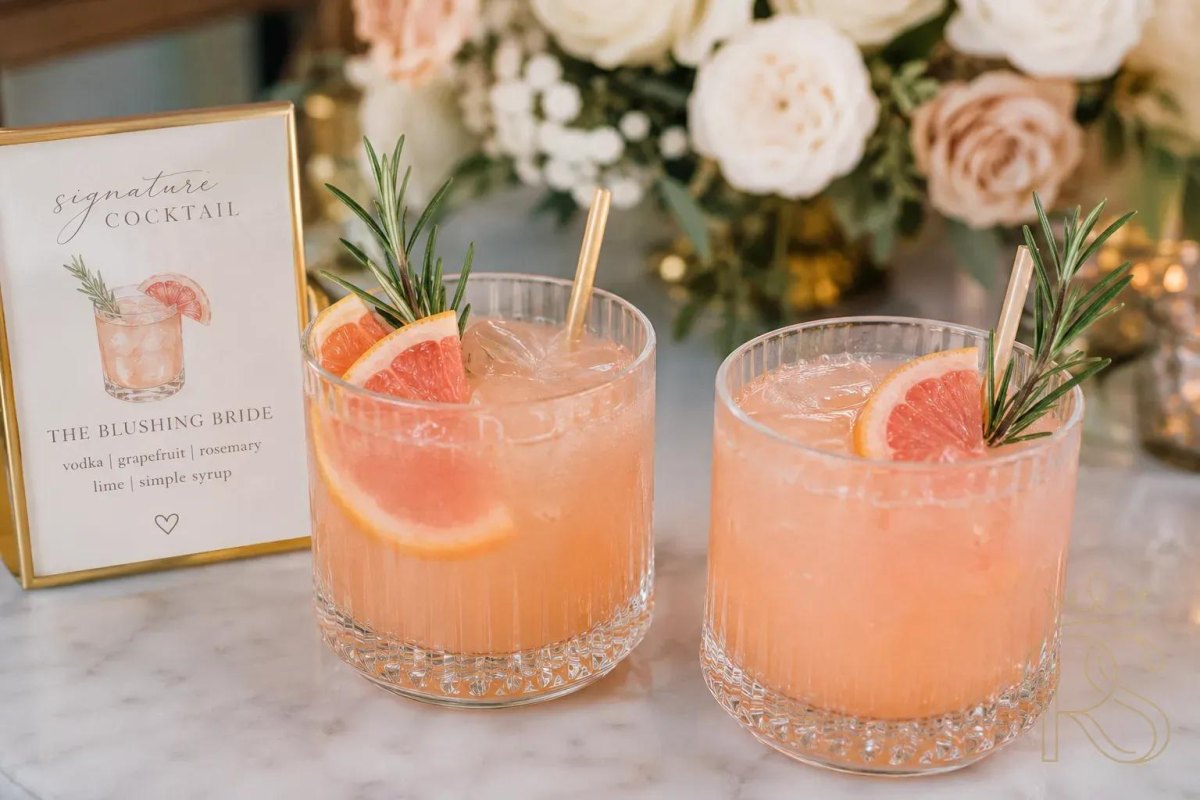
You do not need a twelve-page cocktail menu to make the bar feel special. A beautifully presented signature drink with a good name, attractive garnish, and small printed menu can become part of the wedding design. The Knot's current cocktail guidance recommends keeping signature options to around two or three, which also keeps the ingredient list and bar service more manageable.
If you are watching the budget, simplify the recipe rather than sacrificing presentation. A beer-and-wine bar plus one or two signature cocktails can be a sensible middle ground, and simple recipes generally cost less in ingredients and labour than elaborate drinks. Include a thoughtful zero-proof option too. Presentation does the expensive-looking work here: one lovely glass, one garnish, and a beautifully printed sign can carry a lot of visual weight.
Keep the Color Palette Simple and Sophisticated
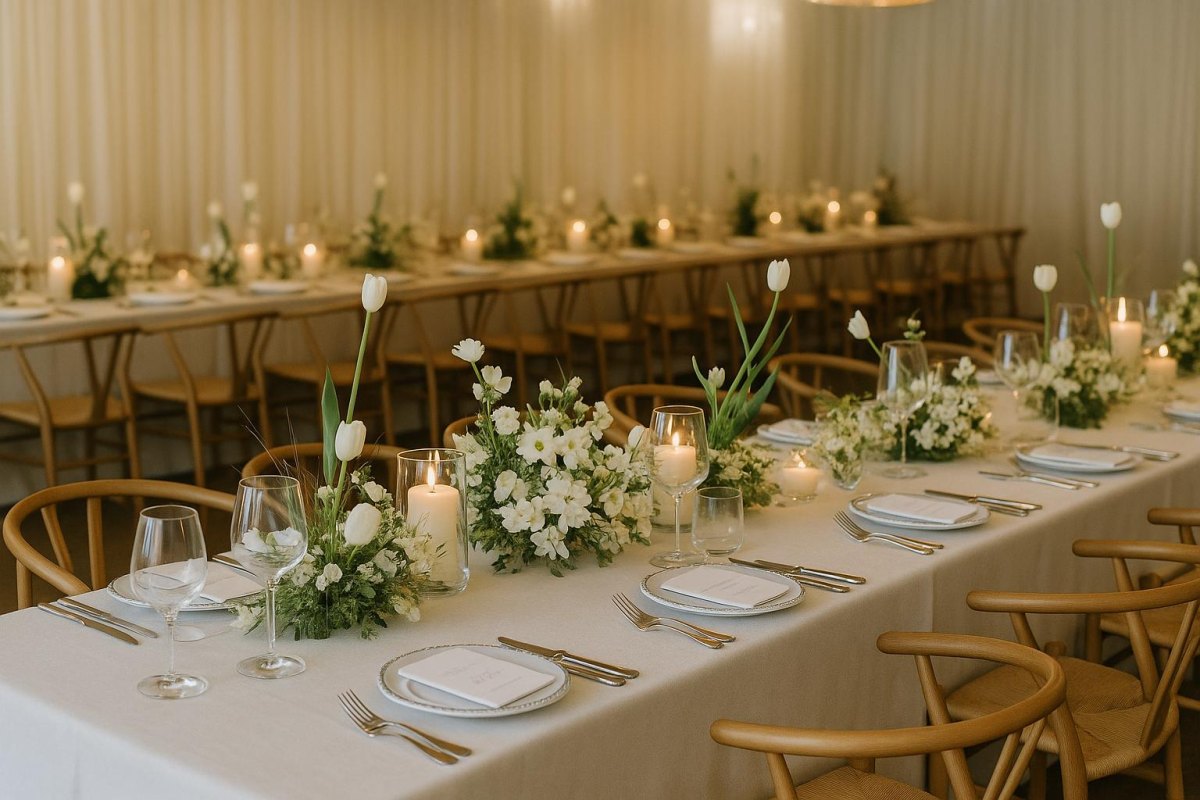
When a couple tells me they want the wedding to look expensive, my first design question is often much simpler than they expect: what colours are you using? A restrained palette lets inexpensive pieces look as though they were purchased together. Wedding planners commonly recommend building a cohesive colour story rather than letting every detail introduce another shade.
Ivory, cream, white, soft green, taupe, champagne, and muted blush are reliable choices if you want something timeless, but I would not treat neutrals as a rule. The 2026 wedding colour conversation also includes bolder choices such as Island Citrus, which shows that an intentional colour can feel sophisticated when it is repeated thoughtfully across flowers, paper, tables, and drinks. Pick a small colour family, then repeat it rather than constantly adding new accents.
From three feet away at the ceremony, I notice whether the whole scene feels calm and deliberate long before I notice whether the centrepiece cost $40 or $140. That is the useful part of the budget lesson: make fewer things look intentional, and let the rest of the wedding breathe.
More Pinterest Visuals



 Wedding Decor7 Cheap DIY Wedding Decor Ideas That Look Beautiful Without the Big Budget
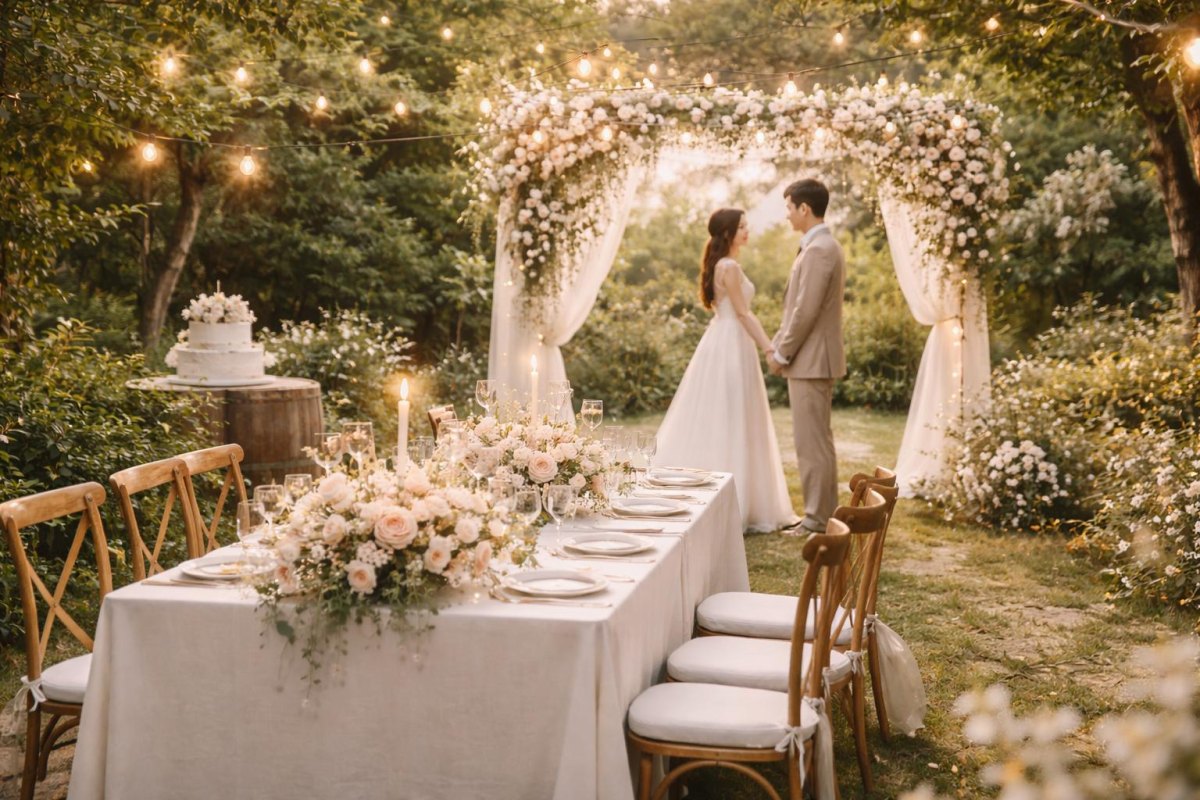 Wedding Planning12 Micro Wedding Venue Ideas For An Intimate
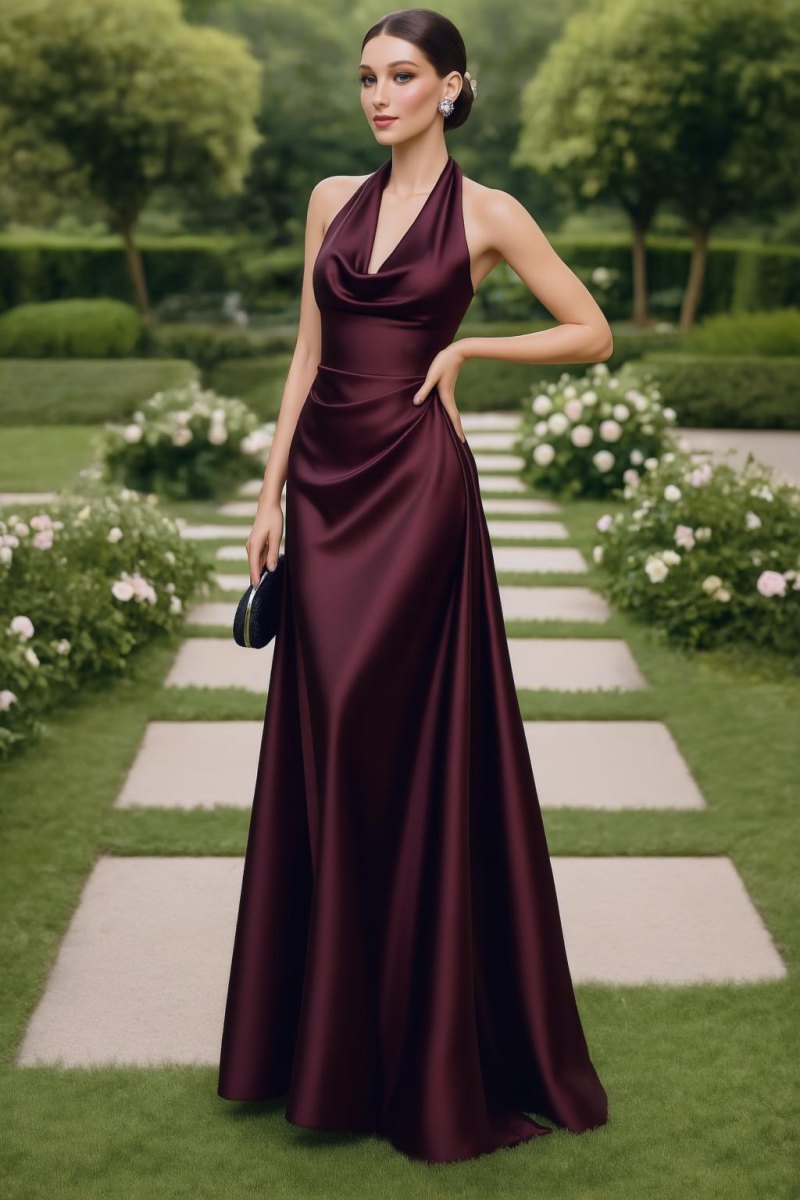 Wedding Guest Outfits14 Burgundy Wedding Guest Dress Ideas for an Elegant, Unforgettable Look
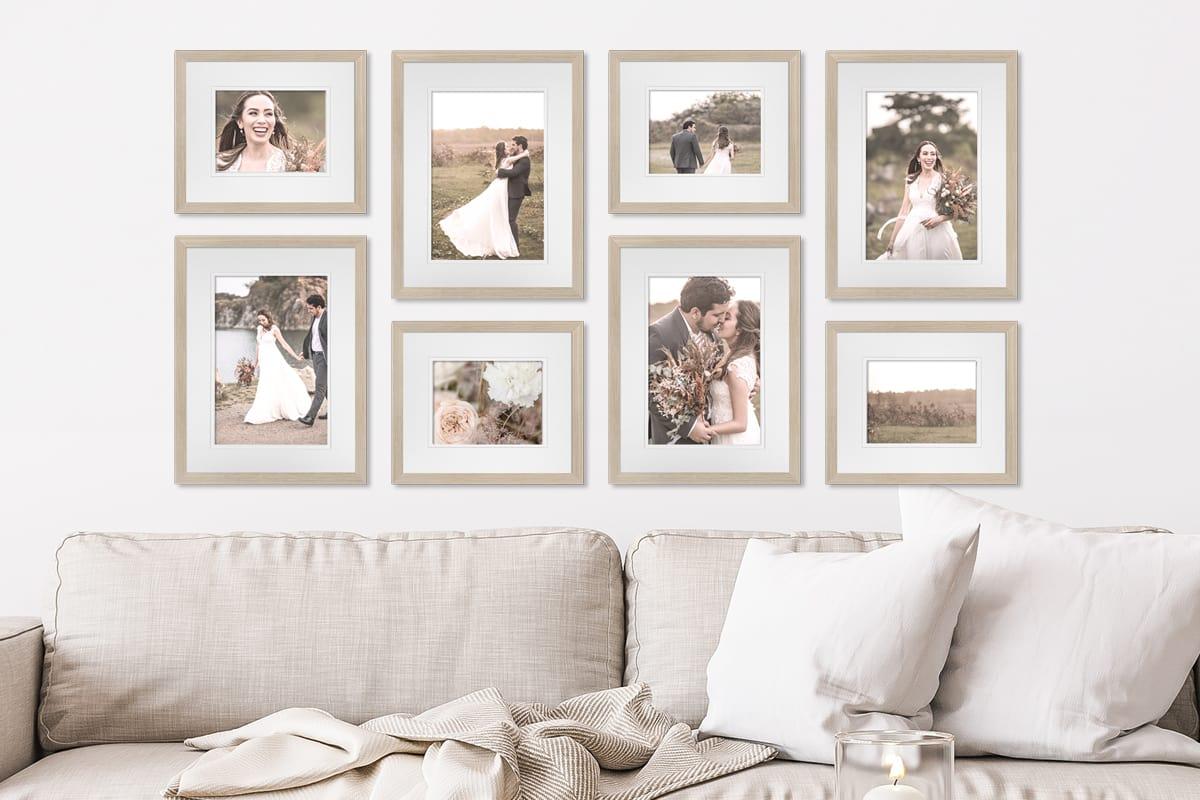 Wedding Decor12 Wedding Photo Display Ideas That Turn Your Memories Into Beautiful Decor