

The morning of your wedding can feel like a dozen small days happening at once. Someone is looking for a hairpin, the photographer has arrived, your phone keeps buzzing, and suddenly the ceremony seems much closer than it did last night. I've watched this unfold at hundreds of weddings, and I can tell you that a calm morning starts with a realistic plan, not a perfectly coordinated robe or an expensive bridal suite.
I want you to have time for the things you'll remember, including a proper breakfast, a laugh with your favorite people, and the moment you see yourself dressed for the ceremony. This wedding morning checklist for brides covers the essentials in seven manageable steps. Prepare as much as you can the night before, delegate the fiddly jobs, and leave yourself room to be a person rather than a project manager.
Your wedding morning priorities
- Eat breakfast, hydrate, and allow yourself time to wake up.
- Keep your dress, accessories, and emergency kit organized.
- Build realistic hair, makeup, photography, and travel buffers into the schedule.
- Give practical responsibilities to trusted people instead of carrying every detail yourself.
- Save a few quiet minutes to enjoy the day before the ceremony begins.
Start Your Morning with a Relaxing Routine

My first recommendation is wonderfully unglamorous: eat something before the excitement takes over. I've seen wedding mornings become so busy that the couple barely remembers to drink water, let alone sit down for breakfast. Choose something familiar and easy to eat, such as toast with eggs, yogurt with fruit, or oatmeal. Keep water nearby, particularly if you're getting married somewhere hot. In Arizona, I take hydration seriously even before anyone steps outdoors.
Give yourself enough time to shower, follow your usual skincare routine, and put on a comfortable button-down shirt or robe. You don't need to try a new facial treatment, introduce unfamiliar skincare products, or experiment with a breakfast that might disagree with you. Familiar routines are your friend on a morning when nerves can make ordinary things feel surprisingly complicated.
I also suggest putting your phone on silent except for essential contacts and choosing one person to answer routine questions. Your wedding planner or designated helper can handle most timing queries. As The Knot's wedding hair and makeup timeline guidance explains, getting-ready time needs to account for the appointments and activities ahead. Build your morning around that schedule, with a little breathing room rather than a minute-by-minute race.
- Wake up with enough time to get ready without rushing.
- Eat a balanced breakfast and keep water within reach.
- Shower and use your usual skincare products.
- Wear clothing that won't disturb your hairstyle or makeup when removed.
- Choose one person to handle nonessential messages and questions.
Roz's practical tip
Put a bottle of water and a snack beside your getting-ready chair. If the morning becomes busy, you won't have to remember where you left them.Prepare Your Wedding Dress and Accessories
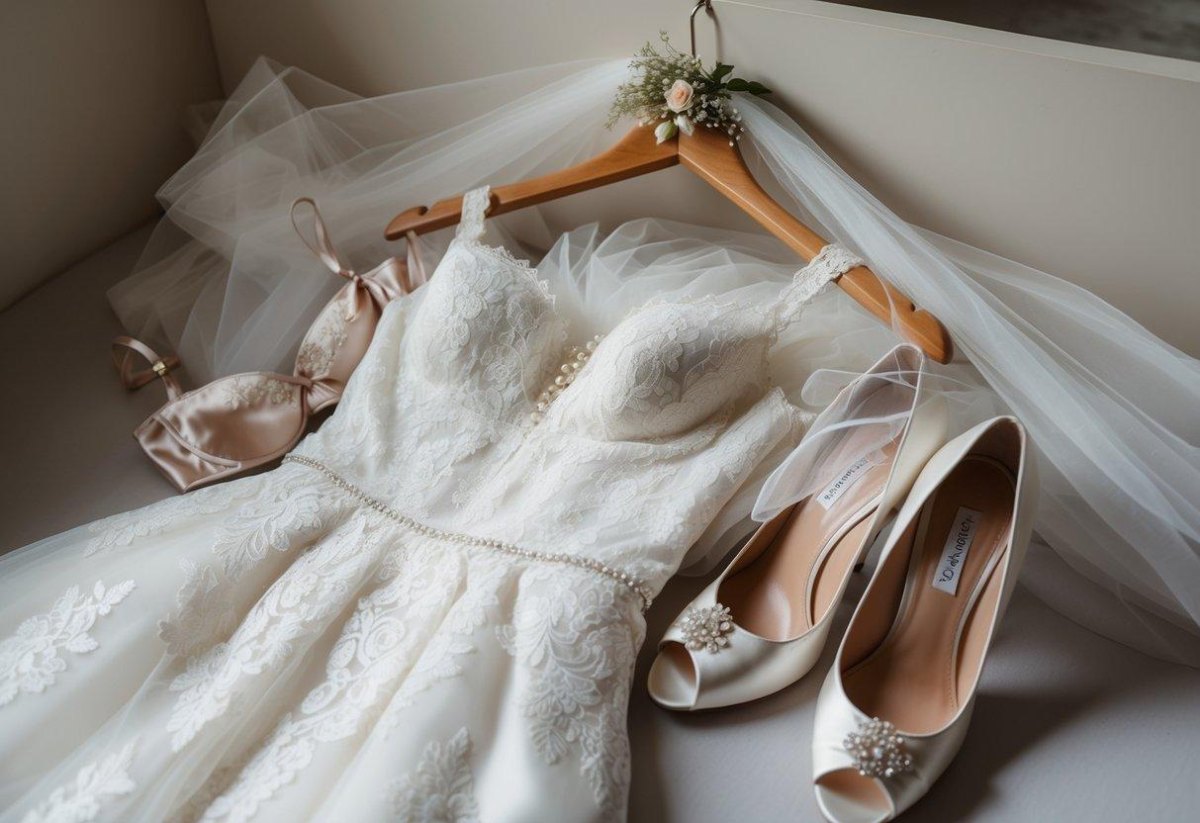
Your wedding dress should be one of the least mysterious things in the room on the morning of the ceremony. Before the day arrives, arrange for the gown to be collected, steamed, or prepared according to the bridal shop's instructions. Hang it somewhere clean and secure, away from food, drinks, pets, and the general traffic of a busy getting-ready room. Protect the dress before the room fills up, because a crowded suite has a remarkable ability to accumulate coffee cups.
Next, gather your veil, shoes, undergarments, shapewear if you're wearing it, jewelry, and hair accessories in one designated place. Try everything together before the wedding day, including any fastenings that might be tricky to manage. The bridal accessories guidance from Easy Weddings is a useful reminder that the small finishing pieces deserve their own checklist rather than being left until the last minute.
I recommend asking a trusted person to help with the gown and veil. They should know how the dress fastens and whether the train needs arranging, particularly if the fabric is delicate. Put fashion tape, spare buttons if available, safety pins, and a small sewing kit nearby. One organized accessory station is much more useful than five people searching different bags for the same pair of earrings.
- Inspect the dress for loose threads, marks, and fastening issues.
- Set out the veil, shoes, jewelry, and hair accessories.
- Confirm that undergarments and shapewear work comfortably with the gown.
- Prepare a hanger suitable for the dress and a safe place to store it.
- Keep fashion tape, safety pins, and a small sewing kit accessible.
A mistake worth avoiding
Don't leave accessories in their original packaging scattered among overnight bags. Assemble the complete outfit ahead of time, and have one person check the pieces off as they're laid out.Get Ready for Hair and Makeup
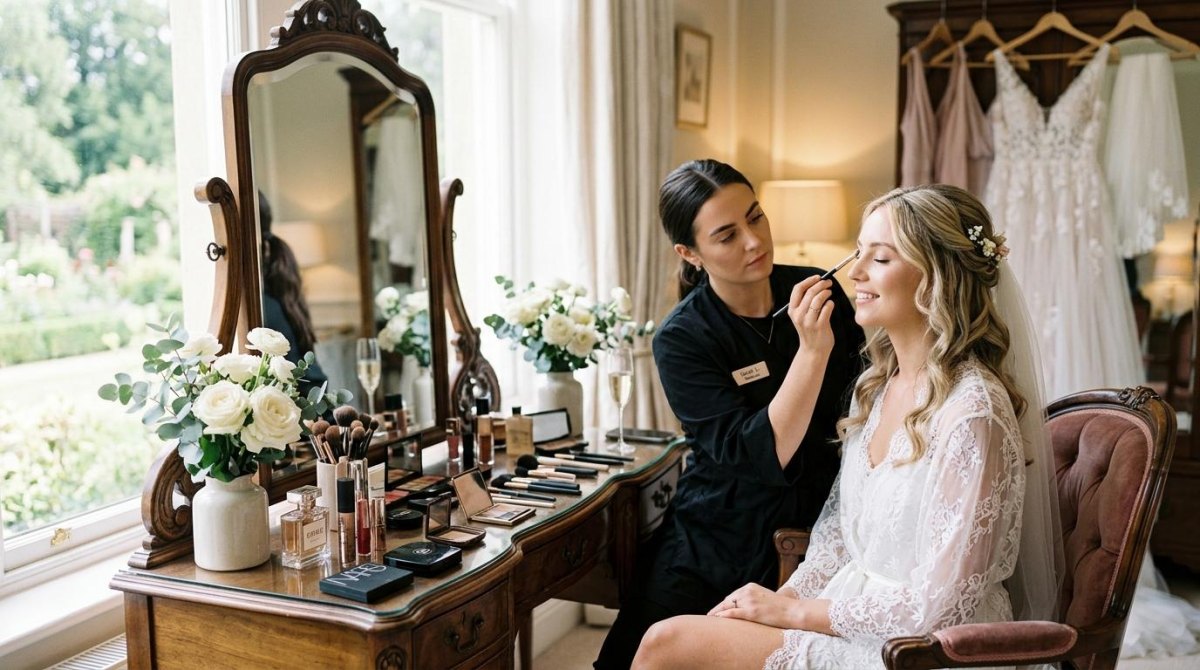
Hair and makeup can set the pace for everything that follows, so I would start by working backward from the time you need to be fully dressed and ready for photographs. Confirm the arrival time, the number of people receiving services, and the order of appointments with your beauty team. Plan around your ready-by time, not simply the moment your stylist walks through the door.
The Knot's wedding hair and makeup timeline guide notes that bridal hair and makeup can each require substantial appointment time, with the total depending on the look and the professionals involved. Treat published estimates as starting points, not promises. Ask your own stylist how long your particular services will take and agree on a schedule that also leaves room for touch-ups, dressing, and portraits.
Have reference photographs ready, but trust the trial you already completed rather than introducing a new look on the day. Keep your face clean and moisturized according to your artist's instructions, and let the professionals know about any product sensitivities or preferences in advance. Finish beauty appointments with a little buffer so a curling iron, a lipstick adjustment, or an unexpected delay doesn't push every later activity behind schedule.
Also, wear clothing that can be removed without pulling over your head. A button-down shirt or a robe with a secure closure is usually practical. Keep your touch-up products together and ask your makeup artist which items are worth carrying after the appointment. You don't need to pack the entire makeup counter.
- Confirm the beauty team's arrival time and appointment order.
- Share your final hairstyle and makeup references.
- Follow your artist's instructions for skincare and preparation.
- Allow time for final touch-ups and getting dressed.
- Pack lipstick or lip color, blotting papers, and other recommended touch-up items.
Organize Your Wedding-Day Essentials
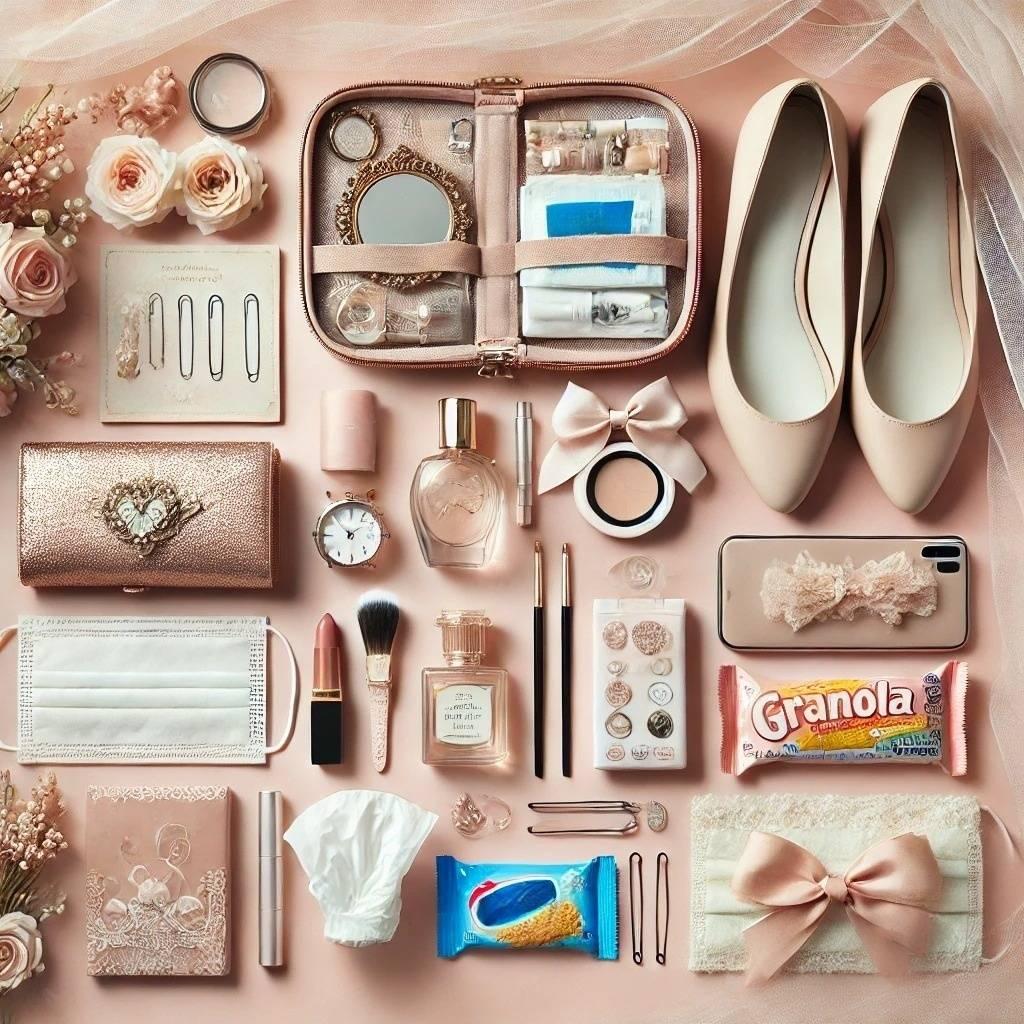
I like the emergency kit because it prepares you for ordinary problems without requiring you to predict the future. A loose button, a blister, a makeup smudge, or a phone running out of power is irritating, but none deserves to become the story of the morning. Pack for small, fixable problems and give the kit to someone who can reach it quickly.
The Knot's wedding emergency kit checklist recommends thinking through possible mishaps and gathering the items that could resolve them. My short list includes safety pins, fashion tape, a mini sewing kit, blister plasters, tissues, deodorant, bobby pins, a phone charger, and a stain-removal product suitable for the fabric. Include personal medication you normally use, stored safely and taken only as directed.
Keep your phone, charger, identification, and any paperwork you need in a separate, clearly labeled pouch. If you are getting married in Arizona, confirm current marriage-license requirements with the relevant county clerk before the wedding, including what must be brought and who is responsible for returning the signed license. I am an Arizona wedding officiant, not a lawyer, and requirements vary by location. Check the legal details directly with your issuing authority rather than relying on a generic wedding checklist.
Finally, hand the essentials to a trusted attendant or coordinator instead of carrying a large bag yourself. Ask that person to keep it near the getting-ready room and know where it will go when you leave for the ceremony.
- Pack safety pins, fashion tape, and a mini sewing kit.
- Include tissues, blister plasters, deodorant, and bobby pins.
- Bring a charger or power bank for your phone.
- Gather identification and any required marriage paperwork.
- Assign one person to keep track of the kit and essential documents.
Don't leave legal paperwork to chance
Verify current marriage-license and return requirements with your own county or local issuing authority. Rules differ by jurisdiction, and this checklist is not legal advice.Capture Beautiful Getting-Ready Photos
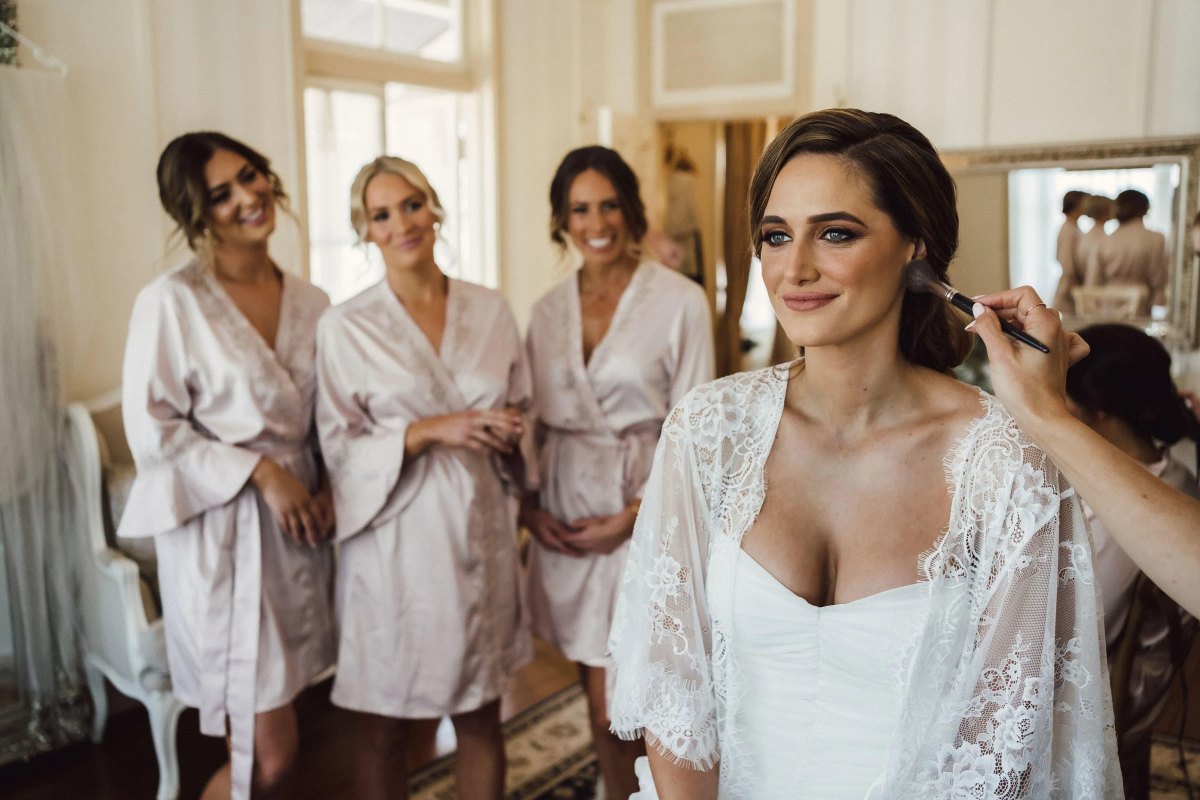
Getting-ready photographs can hold some of the most personal memories of the day. The finished portraits are lovely, but I particularly like the photographs that show people being themselves: a parent helping with a clasp, a friend making everyone laugh, or the bride taking a quiet breath before putting on her dress. Leave room for real moments rather than turning every minute into a photo opportunity.
Talk to your photographer before the wedding about the details and people you most want included. Set aside the invitation, rings, perfume, jewelry, shoes, and veil if you would like photographs of those pieces. Keep the room reasonably tidy and ask your photographer where they would prefer to work. Guidance for getting-ready photography from School of Weddings emphasizes finding good window light, simplifying the background, and balancing detail shots with candid moments.
As someone who spends the ceremony watching the couple and the people closest to them, I know the value of photographs that feel honest. The photograph doesn't need everyone looking at the camera. A small interaction can mean more than a perfect pose, especially when it captures a relationship exactly as it is. Tell your photographer about family members or friends whose presence matters to you, including anyone who may be missing or difficult to include in the usual getting-ready routine.
Build photography into the schedule, but don't let it consume the whole morning. Your photographer can advise how much time is needed for details, robe portraits, and fully dressed photographs. Keep a little space for the unscripted bits, too.
- Confirm the photographer's arrival time and shot priorities.
- Set aside stationery, rings, perfume, jewelry, and other requested details.
- Clear unnecessary bags and clutter from the main photo area.
- Make time for photographs with your chosen family and friends.
- Leave a few minutes for candid moments without a shot list.
Coordinate with Your Bridal Party and Vendors
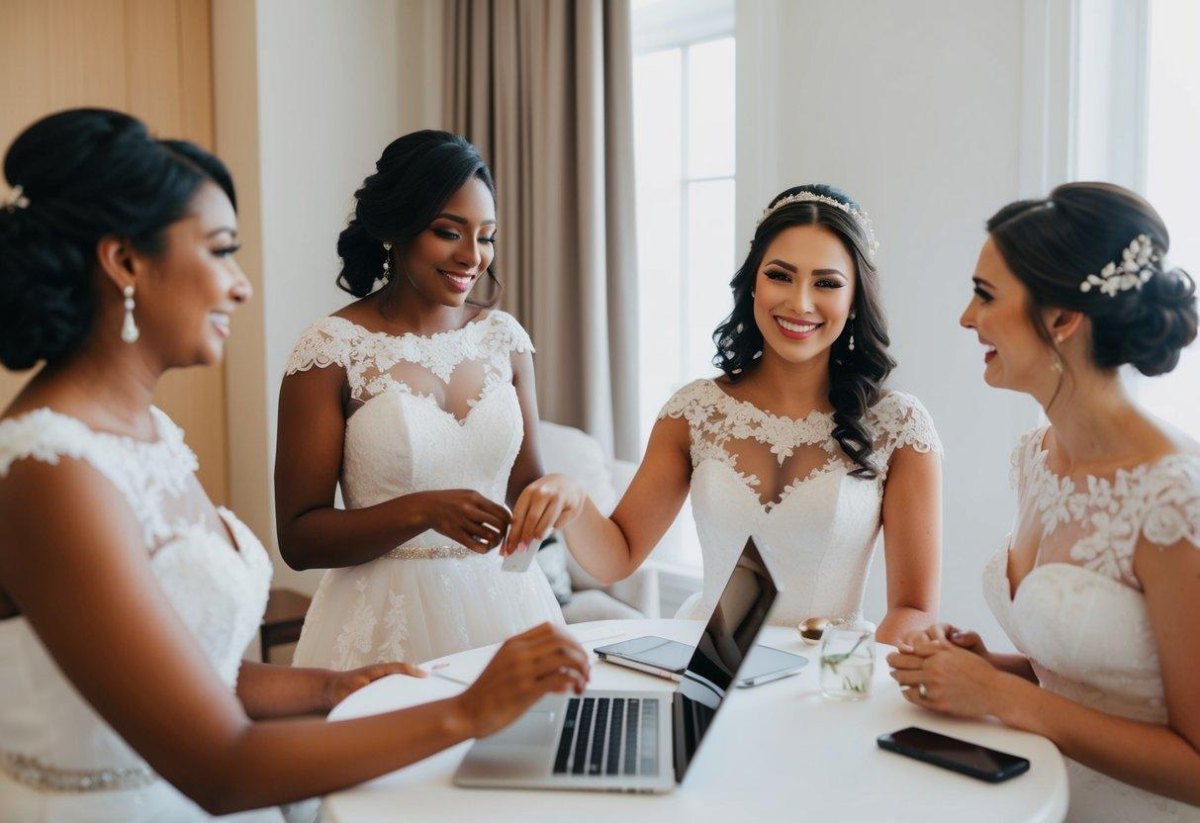
The wedding morning is not the time to discover that three people have three different versions of the schedule. Make one final timeline available to your wedding planner or coordinator, photographer, beauty team, transportation provider, and bridal party. It should show when each person needs to arrive, when services finish, when photographs begin, and when everyone must leave for the ceremony. One shared schedule prevents a lot of avoidable confusion.
Advice on getting-ready timelines from Brides highlights the importance of realistic appointment planning, enough beauty professionals for the group, and time for unexpected delays. Your actual schedule will depend on your ceremony time, party size, travel, and photography plans, so work with the people providing those services rather than copying someone else's sample timeline.
Give each trusted helper a clear responsibility. One person can keep track of bouquets and boutonnieres, another can check that everyone is dressed on time, and your coordinator can manage vendor questions. If you don't have a planner, choose someone calm and dependable who understands the plan. Delegate the jobs, not the emotional decisions; you should not be asked to solve a seating question or approve a delivery while your hair is being finished.
Confirm the departure time and transportation details, and identify a backup contact in case the main contact is unavailable. For an outdoor ceremony, particularly in Arizona, make sure the plan accounts for heat, shade, drinking water, and weather contingencies. Guests in formal clothing can become unwell in extreme temperatures, and a realistic indoor or safer-time alternative is more useful than hoping conditions improve.
- Share one final timeline with the people who need it.
- Confirm transportation, departure time, and the ceremony location.
- Check that bouquets, boutonnieres, and other deliveries are accounted for.
- Assign one person to answer routine vendor questions.
- Confirm weather, shade, water, and backup arrangements for outdoor ceremonies.
My favorite delegation rule
Every practical task should have a named person responsible for it. If the instruction is simply "someone should check the flowers," the flowers may become everybody's concern and nobody's job.Get Dressed, Take a Final Check, and Enjoy the Moment
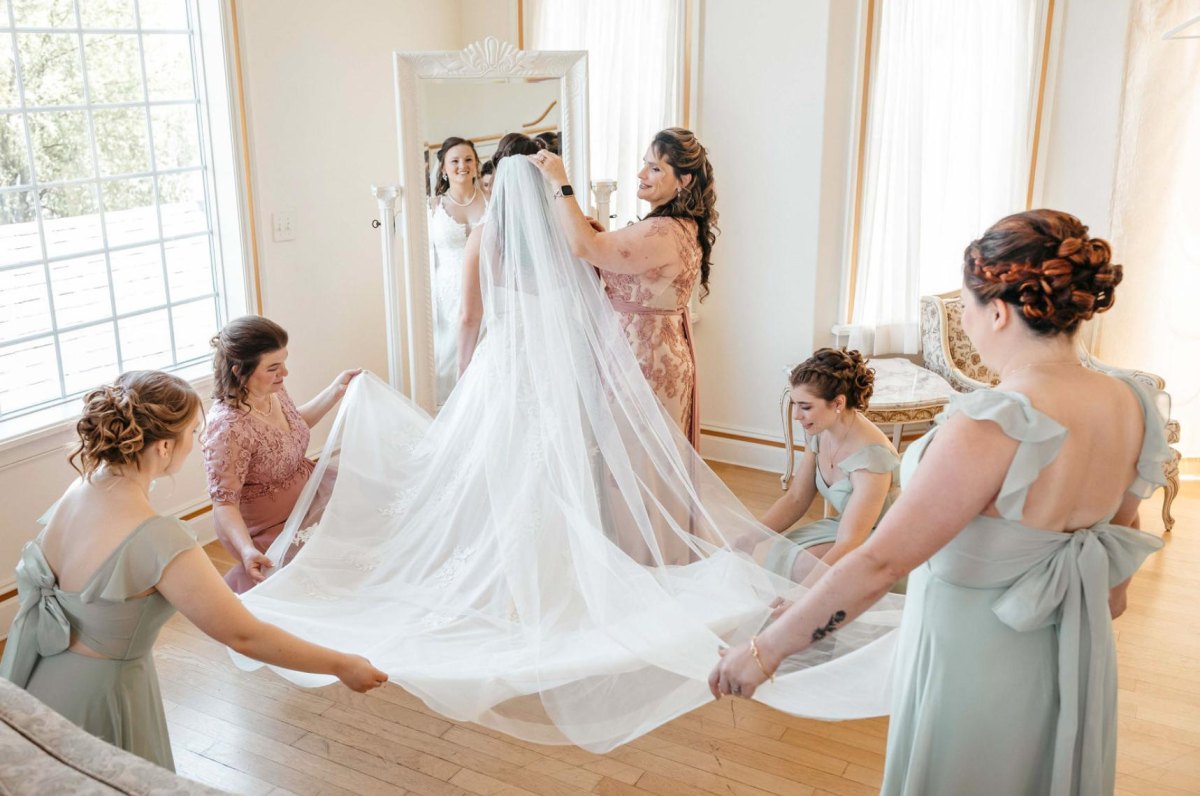
By this point, most of the planning should be finished. Use the last stretch of the morning for dressing, final checks, and getting to the ceremony on time. Visit the restroom before putting on your gown if practical, then ask your chosen helper to assist with buttons, hooks, the veil, and the train. Allow enough time to dress without an audience of people rushing you. A little privacy can make this moment feel more personal.
Look in a full-length mirror and check that your dress sits comfortably, your shoes are secure, and your jewelry and hair accessories are in place. Ask your attendant to check the back of the gown and the train, and have your touch-up kit nearby. Your photographer may want a few final portraits, so make sure this time is included in the schedule. The Knot's wedding beauty timeline guidance is a useful reminder that getting ready involves more than the beauty appointments themselves.
Before leaving, confirm who has the rings, bouquet, phone, and any documents that need to travel with you. If the marriage license requires action before or after the ceremony, make sure the responsible person understands the current local instructions. I always encourage couples to verify those details with their issuing authority rather than assume the rules are the same everywhere. Make one last practical check, then stop managing.
In all my years officiating, I've watched people arrive at the ceremony with shaking hands, damp eyes, and a thousand thoughts running through their heads. That is normal. I've also watched those same people settle when they see the person waiting for them. Take a few slow breaths, share a quiet word with someone you love, and let the morning become the day you've been preparing for. You do not need to feel perfectly calm to have a beautiful wedding.
- Use the restroom. Make any final comfort adjustments before the gown goes on.
- Get dressed. Ask your helper to check the fastenings, veil, shoes, and train.
- Check the essentials. Confirm the bouquet, phone, rings, and required documents are accounted for.
- Take final photographs. Leave enough time for portraits and any planned first look.
- Pause and breathe. Give yourself a quiet moment before heading to the ceremony.
One last thing I'd like you to remember
When you reach the ceremony, nobody is checking whether you completed every item on a list. They are there to witness a commitment between people who have chosen one another. Prepare the essentials, let your helpers handle the rest, and give yourself permission to be present.

More Pinterest Visuals



 Wedding Decor7 Cheap DIY Wedding Decor Ideas That Look Beautiful Without the Big Budget
 Wedding Planning12 Micro Wedding Venue Ideas For An Intimate
 Wedding Guest Outfits14 Burgundy Wedding Guest Dress Ideas for an Elegant, Unforgettable Look
 Wedding Decor12 Wedding Photo Display Ideas That Turn Your Memories Into Beautiful Decor