

A smaller wedding opens up a world of venue possibilities that can feel out of reach with a traditional guest list. Instead of filling a ballroom, you can exchange vows beneath a garden arch, celebrate over dinner in a historic townhouse, or gather your closest people on a mountain terrace. These 12 micro wedding venue ideas explore different settings, each with its own atmosphere, design opportunities, and practical considerations.
A Romantic Garden Wedding With a Floral Reception
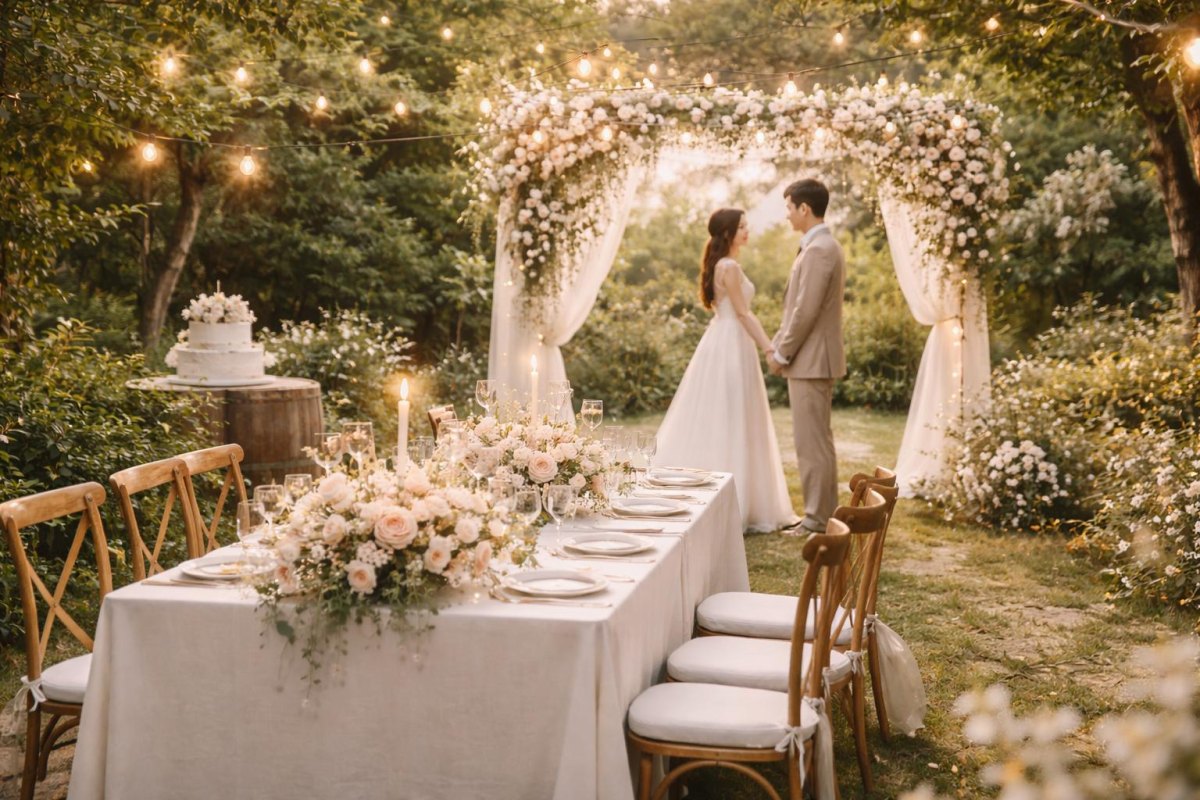
A garden wedding is the kind of intimate celebration that feels naturally romantic without requiring an elaborate production. Choose a private garden, landscaped estate, or secluded outdoor property where ceremony and reception can happen within the same setting. A floral arch, soft draping, and warm overhead lights create a beautiful focal point while allowing the surrounding greenery to remain part of the design.
For a micro wedding, the real advantage is the freedom to create a thoughtfully arranged dinner rather than a large traditional reception. A single long table can accommodate a small guest list while encouraging conversation and a relaxed atmosphere. Keep the palette restrained with ivory linens, wooden chairs, delicate candles, and seasonal flowers.
How to make the setting work
- Choose seasonal flowers: Use garden roses, hydrangeas, or locally available blooms to complement the landscape.
- Plan the lighting: Combine festoon lights with hurricane candles for a welcoming evening atmosphere.
- Protect the celebration: Arrange a covered alternative for rain and provide comfortable seating for older guests.
This venue style particularly suits couples who want an outdoor ceremony followed by a beautiful shared meal. Keep decorations low enough for guests to see one another across the table, and let the garden provide most of the visual impact.
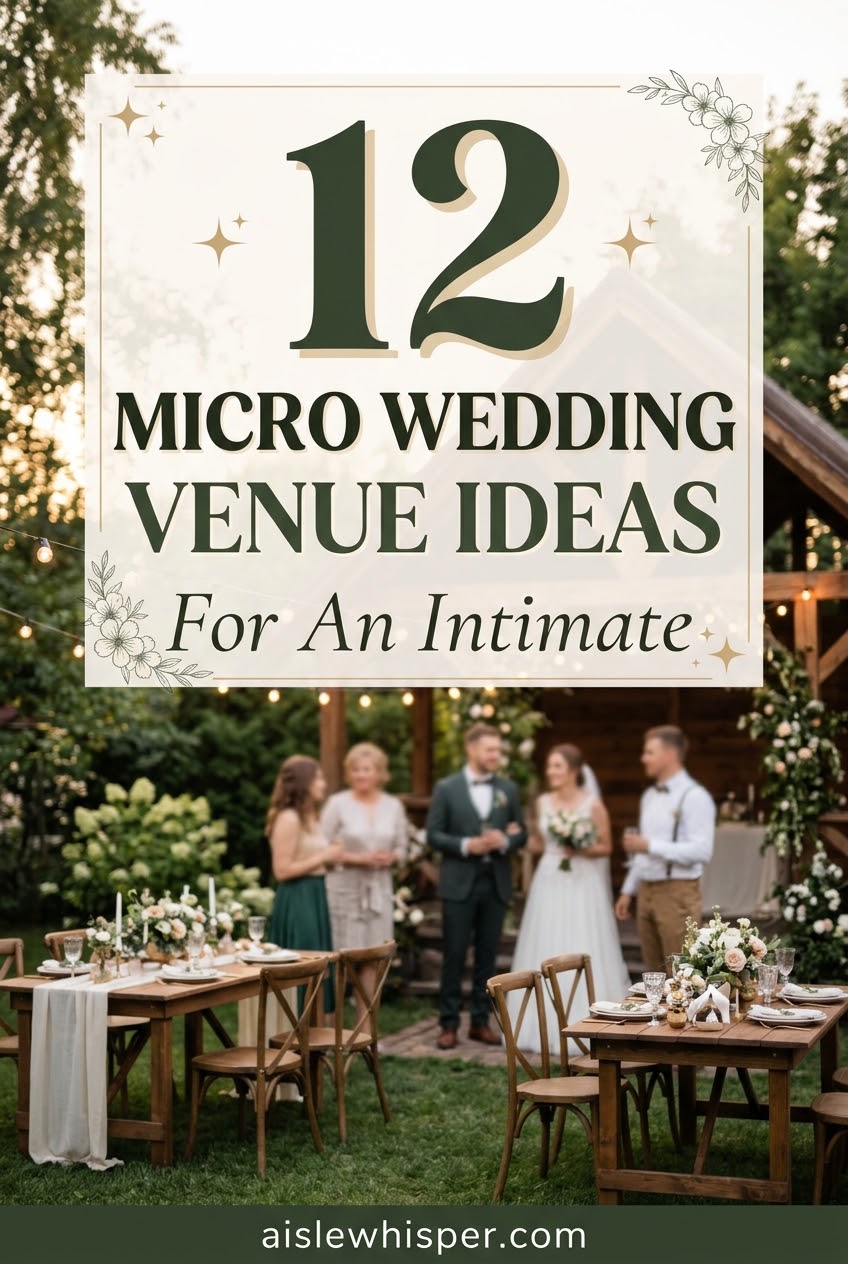
An Intimate Garden Dinner Under String Lights
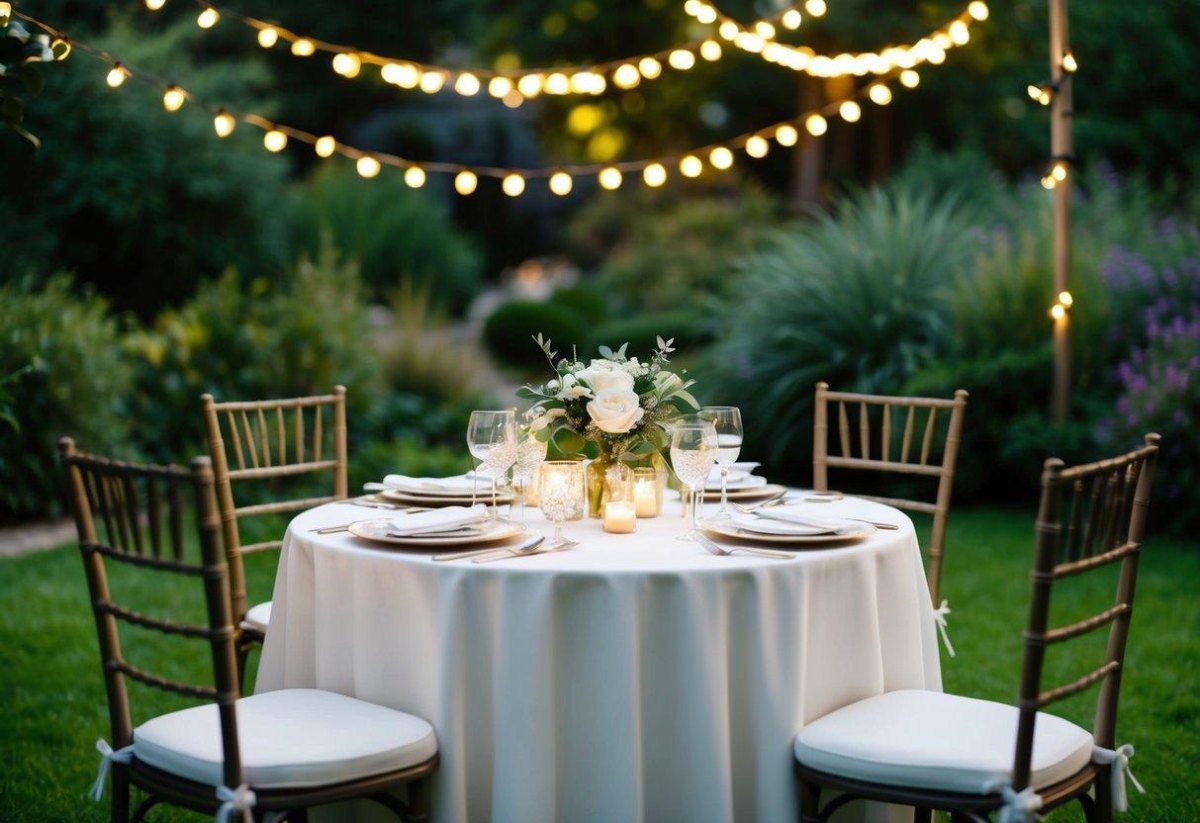
For couples who care as much about the meal as the ceremony, a garden dinner party makes a wonderful micro wedding format. Rather than creating a large reception layout, build the celebration around one beautifully dressed round table. This arrangement makes even a small gathering feel considered and special, while allowing everyone to participate in the same conversation.
The defining details are simple: warm string lights overhead, comfortable chairs, a compact floral centerpiece, and candles distributed throughout the table. A white tablecloth provides a clean foundation, while glassware and subtle metallic details introduce a little evening elegance. A single arrangement of roses and greenery is often more effective than an oversized centerpiece that obstructs conversation.
Think about the guest experience. Round tables work particularly well for groups of four to eight, depending on table dimensions. For slightly larger gatherings, consider two neighboring tables that retain the same intimate character.
A thoughtful hosting detail
Place a handwritten menu or personalized place card at every setting. Small touches make guests feel welcomed without adding unnecessary decoration.
Ask the venue about outdoor lighting, electrical access, catering facilities, restroom access, and the permitted end time for outdoor events. A garden dinner is most successful when the practical arrangements are as carefully considered as the tablescape.
A Rustic Barn Wedding With a Long Reception Table
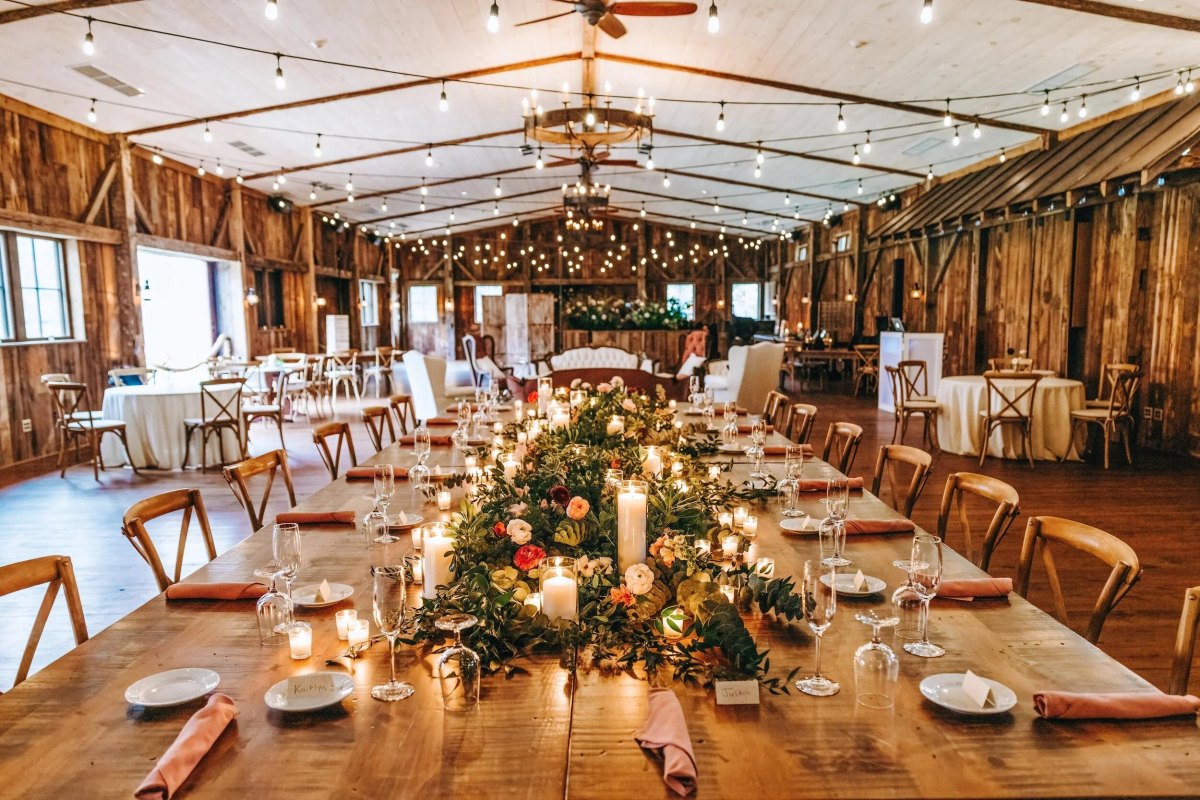
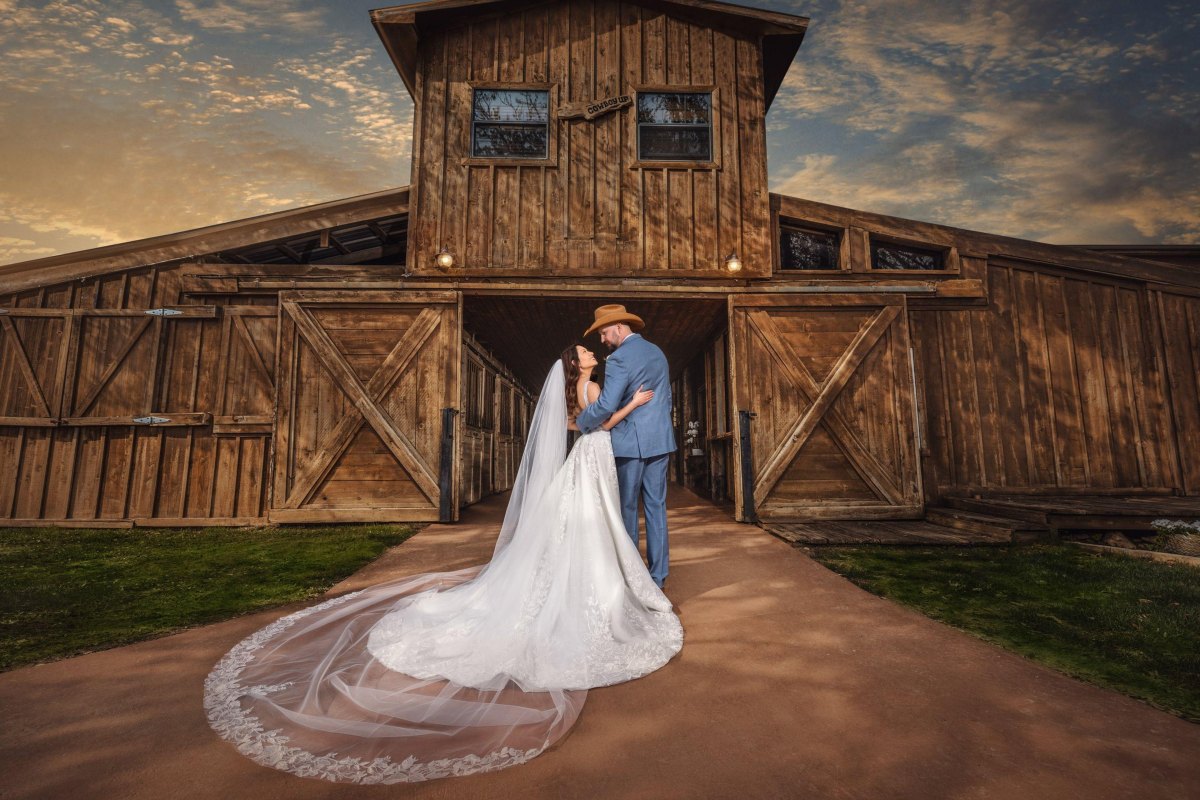
A rustic barn offers warmth, character, and enough architectural personality to make a small wedding feel distinctive. Exposed timber, weathered wooden walls, high ceilings, and generous open space provide an appealing backdrop for an intimate reception. Unlike a conventional function room, a barn already has a strong visual identity, so the decoration can remain relatively understated.
Long wooden tables are especially effective here. They create a communal dining experience and make a small guest list feel like an intentional gathering rather than a reduced version of a larger wedding. Dress the tables with leafy garlands, seasonal flowers, glass candle holders, and soft-colored napkins. Wooden cross-back chairs or simple natural-finish seating reinforce the relaxed atmosphere.
Balance rustic textures with refined details. A barn can become visually heavy if every element is dark or distressed. Introduce cream table linens, delicate floral arrangements, and lighter fabrics to soften the timber.
- For the ceremony: Use a simple floral installation or a freestanding wooden backdrop.
- For dining: Arrange one or two long tables according to the room's proportions.
- For entertainment: Create a small dance area or designate a corner for live acoustic music.
Before booking, check heating, ventilation, accessibility, acoustics, and catering arrangements. Some barns are agricultural properties rather than fully equipped event venues, so confirm what infrastructure is included.
A Vineyard Wedding Surrounded by Rolling Countryside
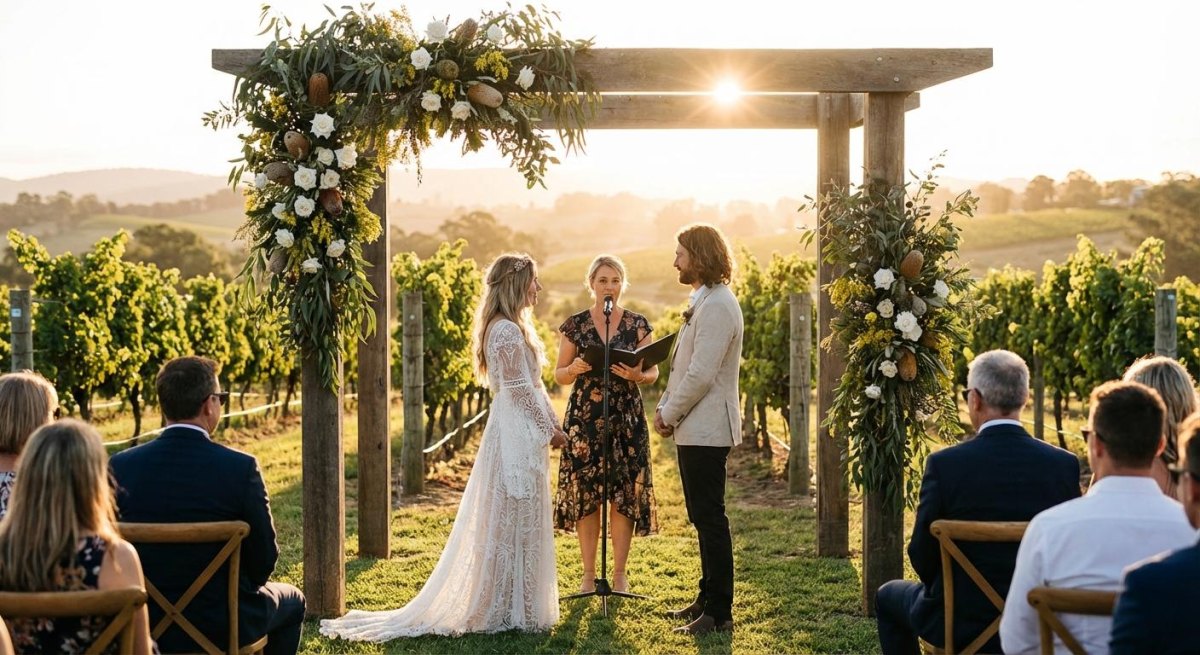
A vineyard offers a naturally elegant setting for couples who love countryside scenery and relaxed outdoor entertaining. Rows of vines, open views, and a simple wooden ceremony structure create a setting that feels both romantic and grounded. It is particularly appealing for a small wedding because the landscape provides a sense of occasion without requiring a large decorative installation.
For the ceremony, position a modest floral arrangement along the arch rather than covering the entire structure. White flowers, olive branches, and muted greenery complement the surrounding countryside. Wooden chairs keep the styling natural, while a neutral-colored aisle runner can help define the ceremony area without competing with the landscape.
The reception can take place on a terrace, beneath a covered structure, or in a private dining room. Build the menu around a seasonal shared meal, with locally sourced ingredients and a few carefully selected regional specialties.
For an intimate wedding, the meal should feel like an invitation to linger. A thoughtful menu, generous shared dishes, and comfortable seating often create more atmosphere than an elaborate reception schedule.
A considered approach to wedding hospitality
Ask about private-event arrangements, weather alternatives, sound restrictions, and whether the property permits outside catering. If wine service is important, clarify whether the venue provides it or allows an independent supplier. This style is ideal for couples who want a destination-like atmosphere without an overly formal celebration.
A Brick-Walled Private Dining Room
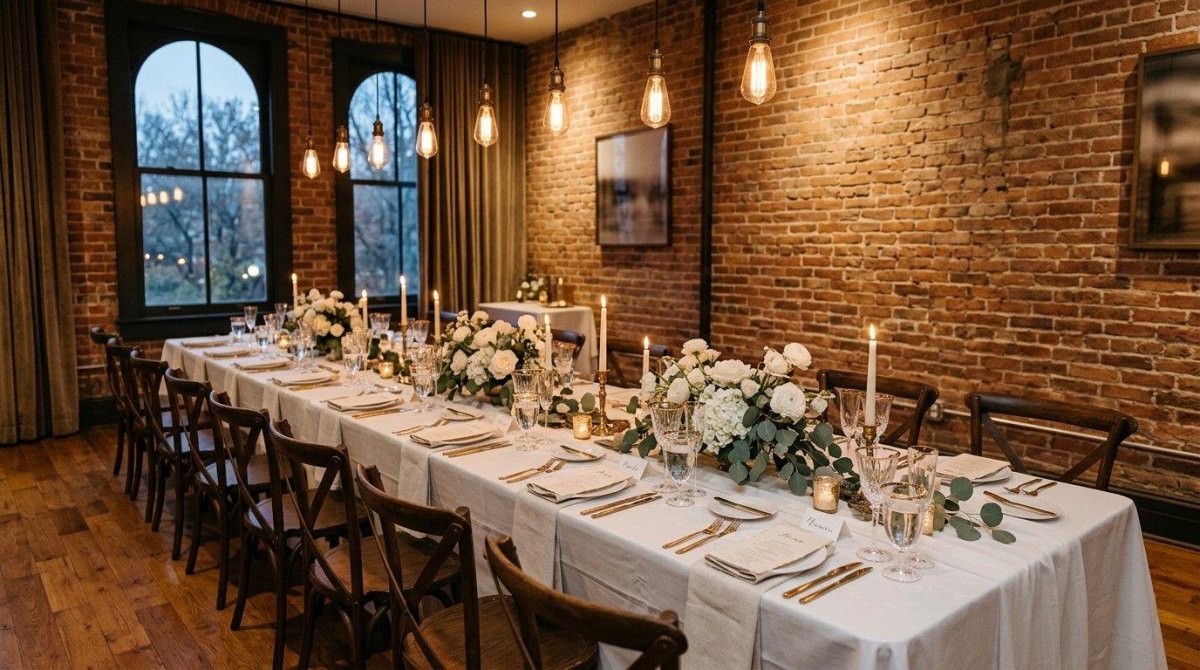
A private dining room in a restaurant or converted industrial building is a beautiful alternative to a traditional wedding venue. Exposed brick, dark timber, pendant lighting, and intimate seating create an atmosphere that feels sophisticated but not overly formal. It is especially suitable for couples who would rather invest in excellent food and hospitality than organize a large-scale event.
The main design decision is how to work with the existing architecture. In a brick-walled room, warm neutral linens and simple floral arrangements provide contrast without hiding the character of the space. A long rectangular table can accommodate a close-knit group, while smaller arrangements of candles and greenery add depth along its length.
Restaurant venues also offer an important practical advantage: much of the hospitality infrastructure is already in place. Tables, chairs, kitchens, service staff, and restrooms may be included, reducing the number of separate suppliers you need to coordinate.
Details worth confirming
- Private access: Establish whether the room is exclusively yours or separated from regular restaurant guests.
- Menu flexibility: Discuss dietary requirements, courses, drinks, and tasting arrangements.
- Event timing: Confirm setup access, dining duration, and any restrictions on music or speeches.
- Decorations: Ask about candles, hanging installations, and restrictions on attaching items to brick walls.
This option works particularly well for couples planning a dinner-focused celebration with around 10 to 30 guests, depending on the room's actual capacity.
A Historic Manor House or Country Estate
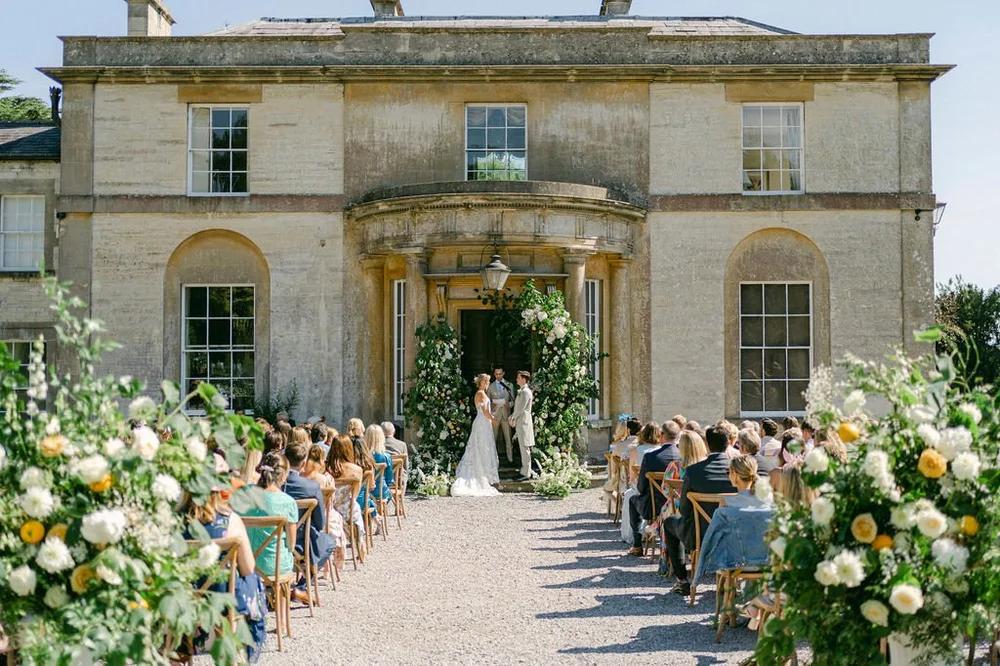
A historic manor house brings a sense of occasion to a micro wedding without needing a grand guest list. Its formal exterior, architectural details, landscaped grounds, and traditional entrance can make a small ceremony feel remarkably special. The appeal is the combination of heritage and intimacy: you can enjoy an elegant setting while keeping the guest experience personal.
For the ceremony, use the entrance or garden terrace as a focal point. A floral installation around the doorway can frame the couple without overwhelming the building's architecture. Choose flowers that complement the property's existing materials, such as ivory roses, soft greenery, and delicate seasonal blooms.
One of the greatest advantages of an estate wedding is the possibility of using different spaces for different moments. A ceremony outside can be followed by drinks in a courtyard and dinner in a private reception room. With a small guest list, these transitions can feel effortless rather than requiring complicated guest movement.
- Design direction: Classic florals, natural stone, refined linens, and restrained table styling.
- Guest experience: Consider a welcome drink, relaxed portraits, and a seated meal.
- Booking priority: Confirm which rooms and outdoor areas are included in the private hire.
Historic properties may have preservation requirements, limited accessibility, or restrictions on decoration and photography. Review these details before committing. This venue is especially appealing to couples who love traditional architecture and timeless wedding styling.
A Beachfront Ceremony With Minimalist Styling
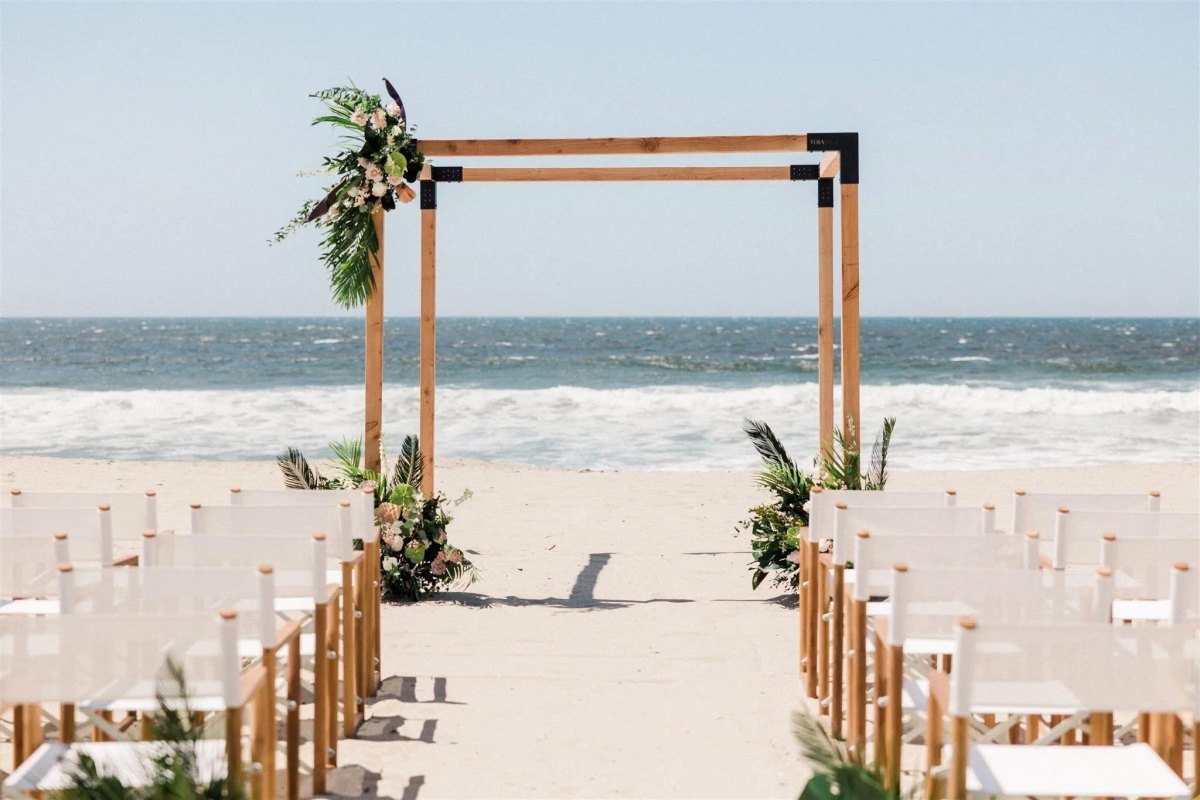
A beach wedding is an excellent choice when the natural surroundings should be the main attraction. The combination of sand, sea, and open sky creates an unmistakable sense of escape, while a small guest list makes it easier to choose a quieter stretch of coastline or a private beachfront property.
The ceremony design can be wonderfully minimal. A simple wooden arch decorated with tropical leaves and a few delicate flowers provides structure without blocking the ocean view. White chairs and restrained floral arrangements keep the setting light and uncluttered. For a more relaxed interpretation, skip the arch altogether and arrange the guests in a semicircle facing the water.
Comfort is the secret to a successful beach celebration. Sand can be difficult for formal footwear, and coastal weather can change quickly. Consider a short ceremony, shaded seating, accessible pathways, and a clear plan for wind protection. Provide water and let guests know in advance that appropriate footwear is welcome.
- Choose a time that avoids the strongest midday sun.
- Use sturdy floral arrangements that can withstand coastal breezes.
- Confirm local permissions, noise regulations, public access, and any restrictions on structures.
- Arrange a nearby indoor or covered location for the reception.
A beachfront ceremony does not have to mean an entirely outdoor wedding. Pairing a simple seaside exchange of vows with dinner at a nearby restaurant gives couples the best of both experiences.
A Mountain Lodge or Scenic Outdoor Deck
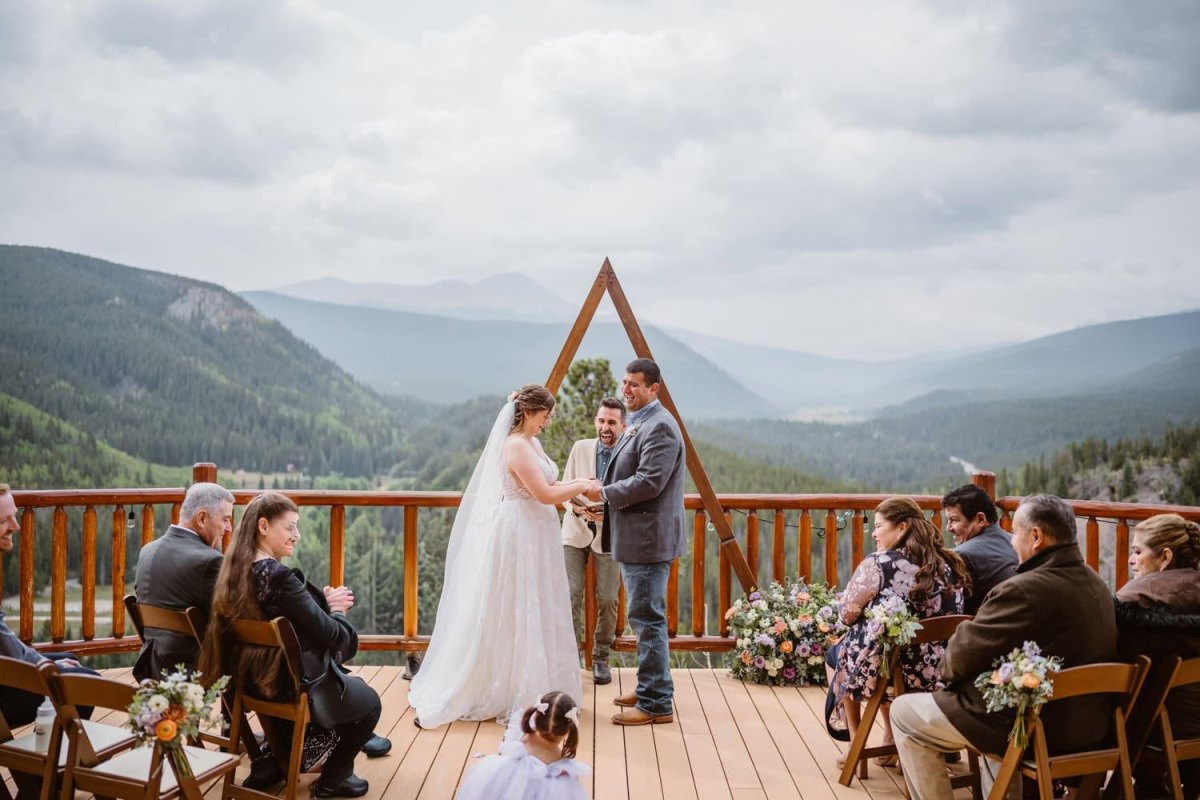
For couples drawn to dramatic landscapes, a mountain lodge with an outdoor deck can turn a micro wedding into a memorable retreat. The elevated setting, surrounding peaks, and open-air ceremony area create a sense of scale that contrasts beautifully with a small gathering. It is an especially appealing choice for couples who enjoy hiking, nature, or destination celebrations.
A wooden deck provides a practical and visually defined ceremony space. Its existing railings and timber construction give the setting character, while a simple triangular or geometric wooden arch can introduce a clear focal point. Keep the floral styling natural with seasonal greenery and flowers in muted colors. Avoid overly elaborate arrangements that compete with the surrounding landscape.
Think carefully about guest comfort. Mountain environments can be cooler and windier than expected, even during warmer months. Provide blankets, consider sheltered seating, and make sure the ceremony area is suitable for guests with limited mobility. If the deck is exposed, secure every decorative element rather than relying on lightweight stands.
Planning around the elevation
Ask about weather contingencies, road access, parking, accommodation, heating, and the venue's emergency arrangements. A beautiful remote location needs a practical guest-access plan.
For the reception, a lodge dining room or private terrace can continue the mountain atmosphere. A shared seasonal menu and relaxed evening gathering will feel more natural than an overly formal ballroom-style program.
A Rooftop Wedding With a City Skyline
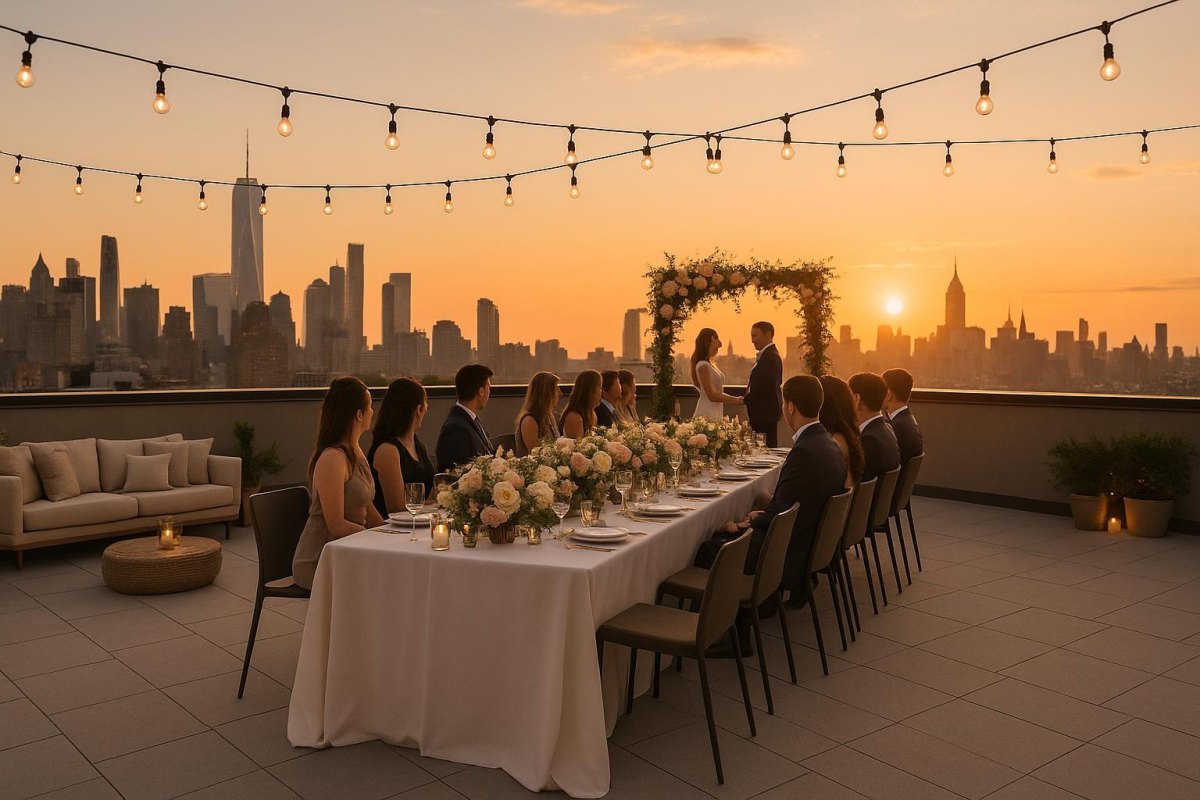
A rooftop wedding offers a contemporary alternative to traditional garden and estate celebrations. With a city skyline as the backdrop, the setting feels sophisticated, lively, and distinctly urban. For a micro wedding, a private rooftop terrace can accommodate a small ceremony and elegant dinner without requiring the scale of a hotel ballroom.
The most effective design approach is to keep the decor architectural and understated. A narrow floral arch or freestanding arrangement can define the ceremony area, while a long dining table creates a strong central feature. Choose a restrained palette of cream, warm beige, soft blush, and greenery. Neutral upholstery and low-profile arrangements help preserve views across the terrace.
Lighting deserves particular attention. Festoon lights can introduce warmth, while candles in enclosed holders provide a more intimate dining atmosphere. If the terrace has existing architectural lighting, work with it rather than layering too many competing sources.
Make the rooftop guest-friendly
- Wind: Choose weighted decorations and protected candle holders.
- Weather: Arrange an indoor backup room with sufficient capacity.
- Sound: Check music restrictions and permitted event hours.
- Access: Confirm elevator availability, restrooms, and accessible routes.
- Dining: Ensure catering staff have suitable kitchen or service access.
This is an especially good choice for couples who want a stylish evening celebration, a city atmosphere, and a setting that transitions naturally from sunset ceremony to dinner and drinks.
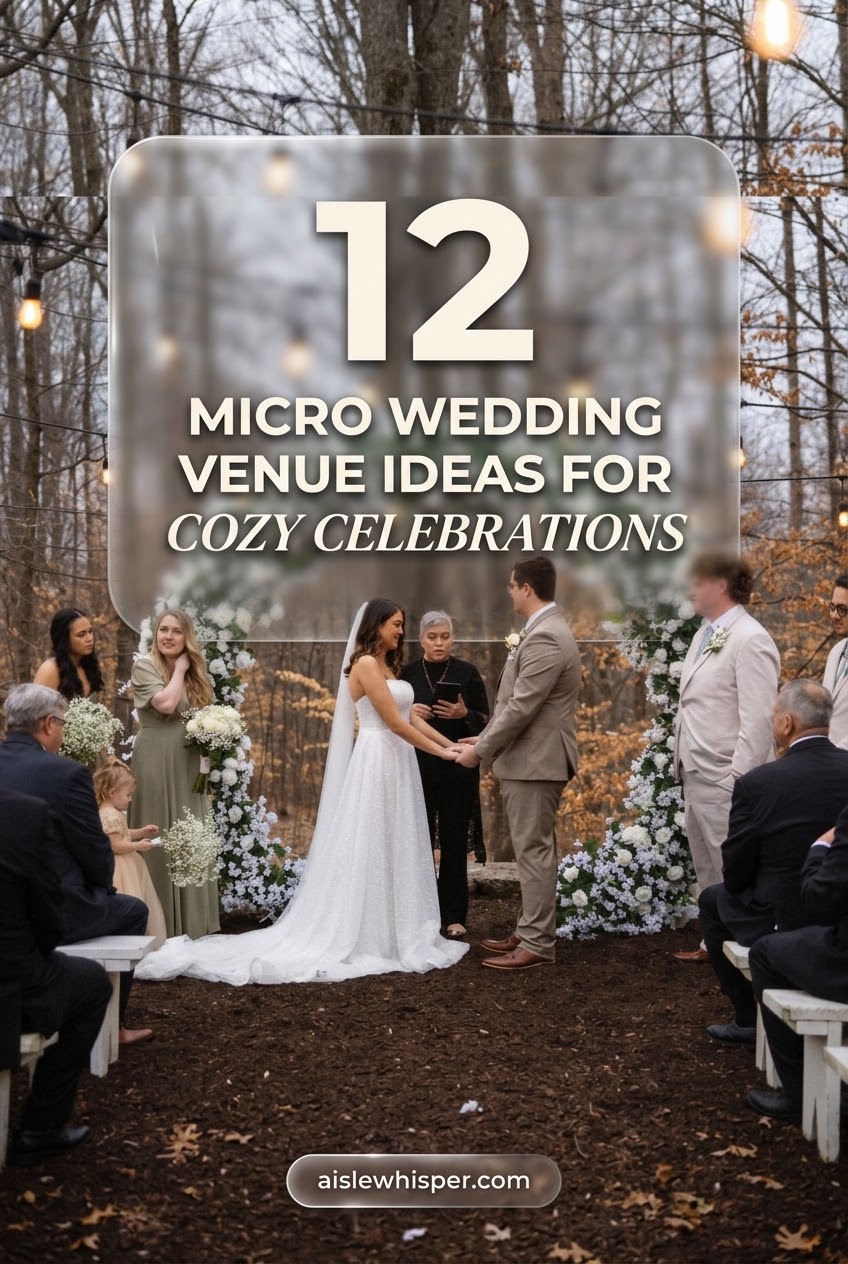
A Woodland Wedding Beneath the Trees
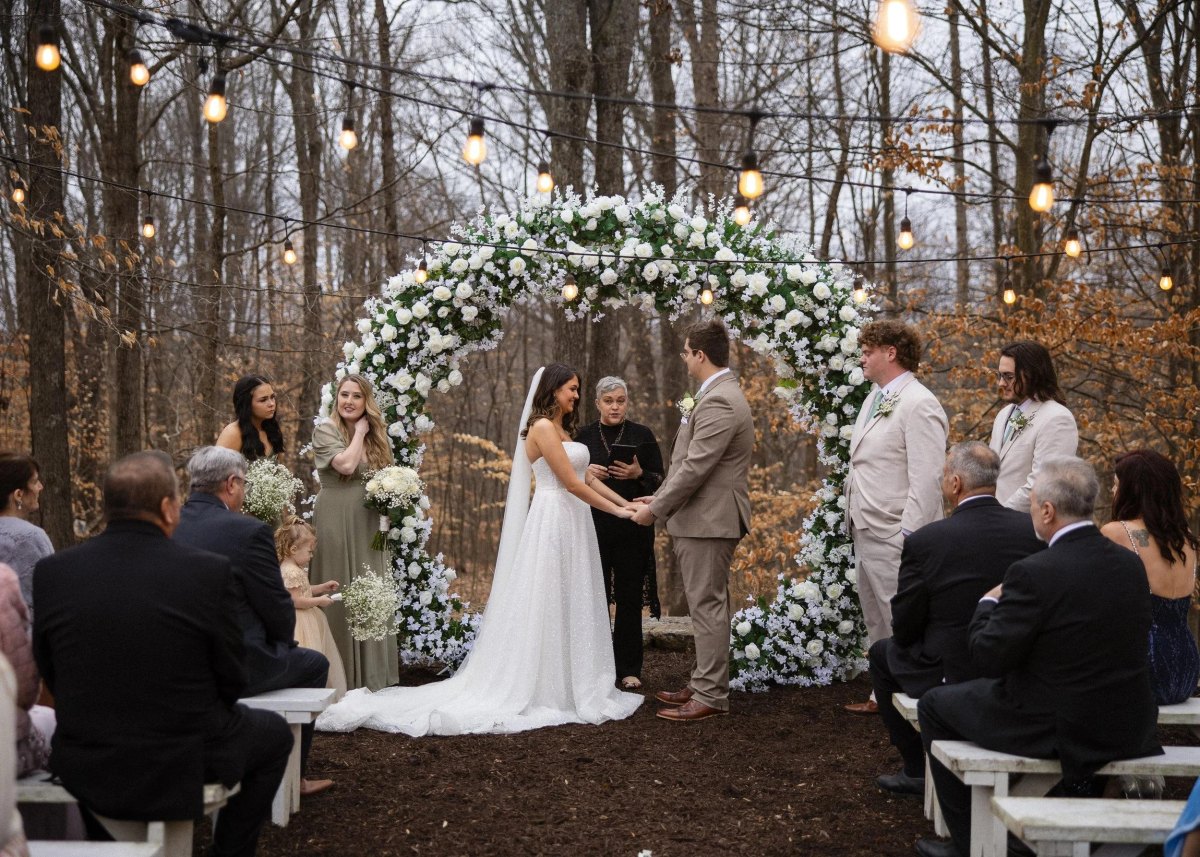
A woodland ceremony creates an intimate atmosphere that feels wonderfully removed from everyday life. Tall trees, natural ground textures, and a secluded clearing offer an organic alternative to a traditional wedding aisle. The setting works beautifully for small celebrations because guests can gather close to the couple, making the ceremony feel personal and connected.
A floral arch made from white flowers and greenery gives the ceremony a recognizable focal point. Keep the surrounding decorations simple. Wooden benches, a narrow natural aisle, and a few carefully placed arrangements are often enough. The woodland itself provides the visual character, so there is little reason to bring in excessive decorative elements.
For a more refined result, balance the natural environment with elegant wedding details. A clean-lined dress, neutral-colored attire, soft bouquets, and restrained table styling create a lovely contrast with the surroundings.
Logistics matter more in a woodland location. Check whether the ground is level, whether chairs can be safely positioned, and how guests will reach the ceremony area. Consider footwear recommendations, accessible pathways, insect protection, and appropriate lighting if the celebration continues into the evening.
Do not overlook environmental restrictions
Confirm landowner permission, protected-area regulations, fire restrictions, sound limits, and rules regarding floral installations. Avoid attaching decorations directly to living trees.
A nearby lodge, covered pavilion, or restaurant can provide the reception space. This combination preserves the woodland atmosphere while giving guests a comfortable place to dine.
A Historic Stone Chapel or Small Ceremony Hall
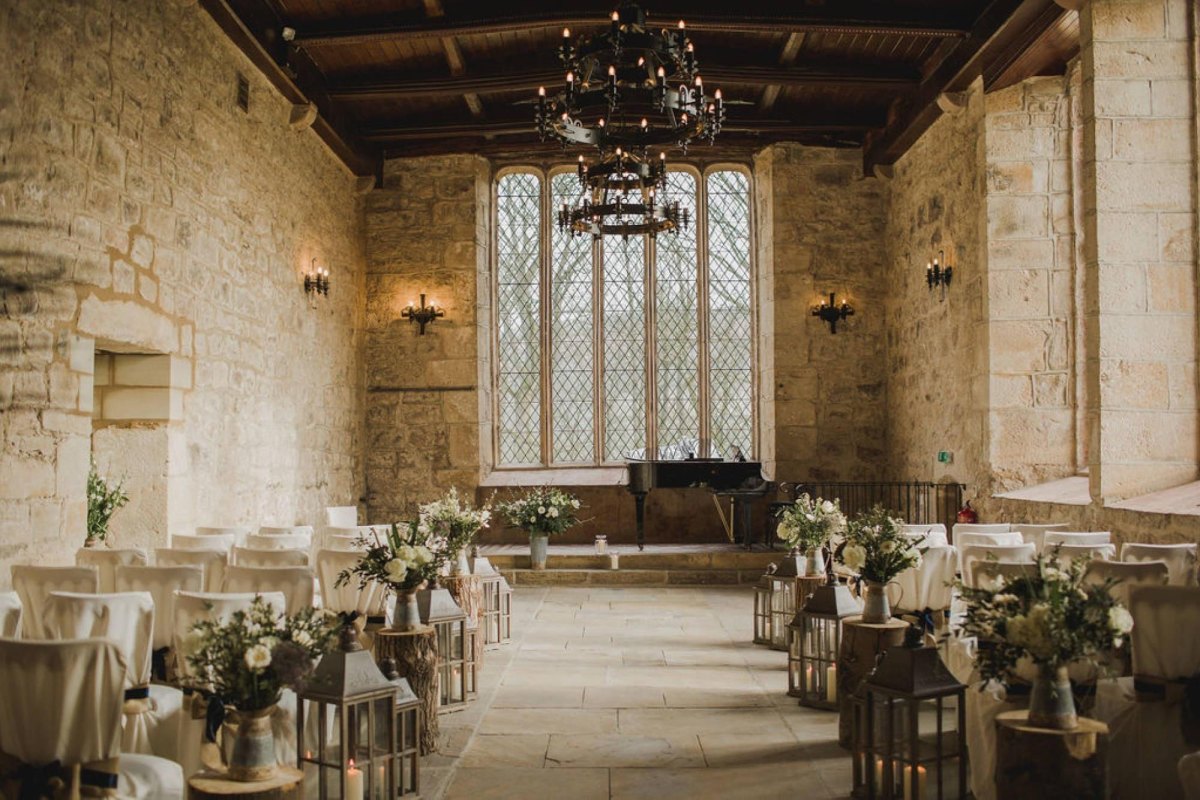
A small historic chapel or stone ceremony hall offers a timeless setting for couples who appreciate architecture and a sense of tradition. Stone walls, high ceilings, arched windows, and traditional fixtures create an atmosphere that needs very little embellishment. Unlike a large religious venue, a smaller chapel can make an intimate guest list feel entirely appropriate.
The strongest design approach is to respect the architecture. Instead of covering the stone with elaborate installations, use modest floral arrangements along the aisle, a few arrangements near the ceremony area, and understated seating details. White flowers, soft foliage, and lanterns can complement the natural tones of the stone.
Consider how the room will function for a small group. A central aisle with chairs arranged in two compact sections creates a traditional ceremony layout. For a non-religious event in a historic hall, flexible seating can allow guests to gather closer together around the ceremony space.
- Preserve the character: Avoid excessive draping or decorative structures that hide architectural details.
- Check the rules: Confirm whether candles, photography, music, and floral installations are permitted.
- Consider acoustics: Arrange microphones or musicians appropriately if the room has significant reverberation.
- Plan the transition: Choose a nearby reception room or restaurant for the meal afterward.
This style suits couples who want a meaningful, understated ceremony with architectural character. It also offers a beautiful setting for traditional vows, live music, and a small family gathering.
A Greenhouse Wedding With Botanical Charm
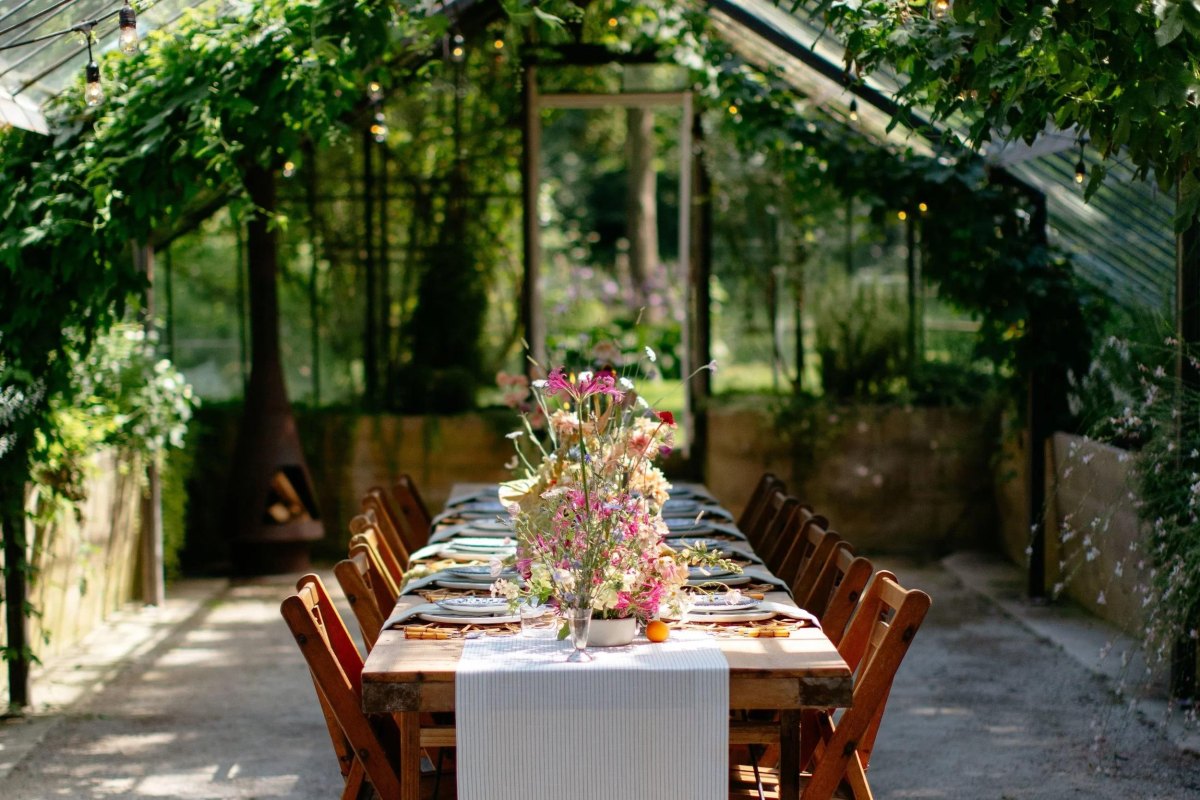
A greenhouse or glass conservatory is a distinctive micro wedding venue for couples who love greenery but want the security of an enclosed space. The combination of glass, plants, and natural materials creates a garden-inspired atmosphere with more protection from the elements than a fully outdoor venue. It also offers an interesting alternative to conventional event spaces.
A long wooden dining table is a natural fit for this setting. Keep the table design relaxed with a linen runner, seasonal flowers, leafy arrangements, and simple place settings. Choose plants and flowers that complement the existing botanical environment rather than introducing a completely different decorative style.
Greenhouse weddings benefit from a cohesive design palette. Soft whites, natural wood, muted greens, and delicate pinks create an inviting atmosphere without overwhelming the surroundings. For a more contemporary look, introduce clear glass vases, understated tableware, and modern wooden chairs.
Practical details for a glass venue
- Check the temperature. Ask about heating, ventilation, air conditioning, and the possibility of direct sun making the space uncomfortable.
- Confirm the layout. Measure the dining table, ceremony area, guest seating, and service pathways before finalizing the guest list.
- Review venue restrictions. Some conservatories have rules about hanging decorations, open flames, plants, and food service.
- Plan the lighting. Use approved enclosed candles or warm electric lighting for an intimate evening atmosphere.
This venue is particularly suited to couples who want a botanical aesthetic with a more controlled environment. It can accommodate a ceremony, cocktail hour, and dinner in one thoughtfully arranged space, provided the venue permits all three uses.
The most memorable micro weddings are built around a setting that feels meaningful to the couple and welcoming to every guest. Whether that means a candlelit dinner in a brick-walled room, a ceremony beneath woodland trees, or a celebration overlooking the ocean, the smaller guest list gives you room to make thoughtful choices. Choose the atmosphere you want people to remember, then let the venue, food, flowers, and details work together to create it.
Your Questions, Answered
What is the best venue for a micro wedding?
The best venue depends on your preferred atmosphere, guest count, and budget. Private gardens and vineyards suit outdoor celebrations, while restaurants and historic dining rooms work well for intimate meals. Rooftops, greenhouses, and mountain lodges offer more distinctive settings. Prioritize exclusive use, guest comfort, and practical facilities.
How many guests can a micro wedding venue accommodate?
Micro weddings commonly involve around 10 to 30 guests, although some couples invite fewer than 10 and others include up to approximately 50. Always check the venue's seated capacity rather than relying on its standing-event maximum.
How can I make a small wedding venue feel luxurious?
Focus on a few high-quality details rather than decorating every available surface. Invest in beautiful table linens, seasonal flowers, elegant place settings, comfortable chairs, warm lighting, and a memorable meal. A carefully planned guest experience will make the celebration feel considered and special.
What should I ask before booking a micro wedding venue?
Ask about exclusive venue access, minimum guest requirements, hire fees, catering, furniture, setup and cleanup, accessibility, restroom facilities, event hours, sound restrictions, decoration rules, and weather alternatives. Also confirm what is included in the quoted price and whether additional suppliers are required.

More Pinterest Visuals



 Wedding Decor7 Cheap DIY Wedding Decor Ideas That Look Beautiful Without the Big Budget
 Wedding Guest Outfits14 Burgundy Wedding Guest Dress Ideas for an Elegant, Unforgettable Look
 Wedding Decor12 Wedding Photo Display Ideas That Turn Your Memories Into Beautiful Decor
 Wedding Guest Outfits11 Garden Wedding Guest Dress Ideas That Feel Romantic and Elegant