The best small ceremonies I have stood through are not the ones with the most decoration. They are the ones where every person can see the couple, hear the vows, and feel included. After more than 500 ceremonies, I have learned that a thoughtful micro wedding layout solves problems before the music starts.
I am looking at these arrangements from the spot where I stand: three feet from the couple, watching guests settle, noticing blocked sightlines, awkward entrances, and the little choices that make a ceremony feel effortless. Recent wedding trends also show couples leaning toward more intimate, personal celebrations rather than oversized productions.
What I focus on in a micro ceremony layout
- Clear sightlines between guests, couple, and officiant
- Comfortable movement for entrances and exits
- A design that supports the moment instead of distracting from it
Ceremony Entrance Layout
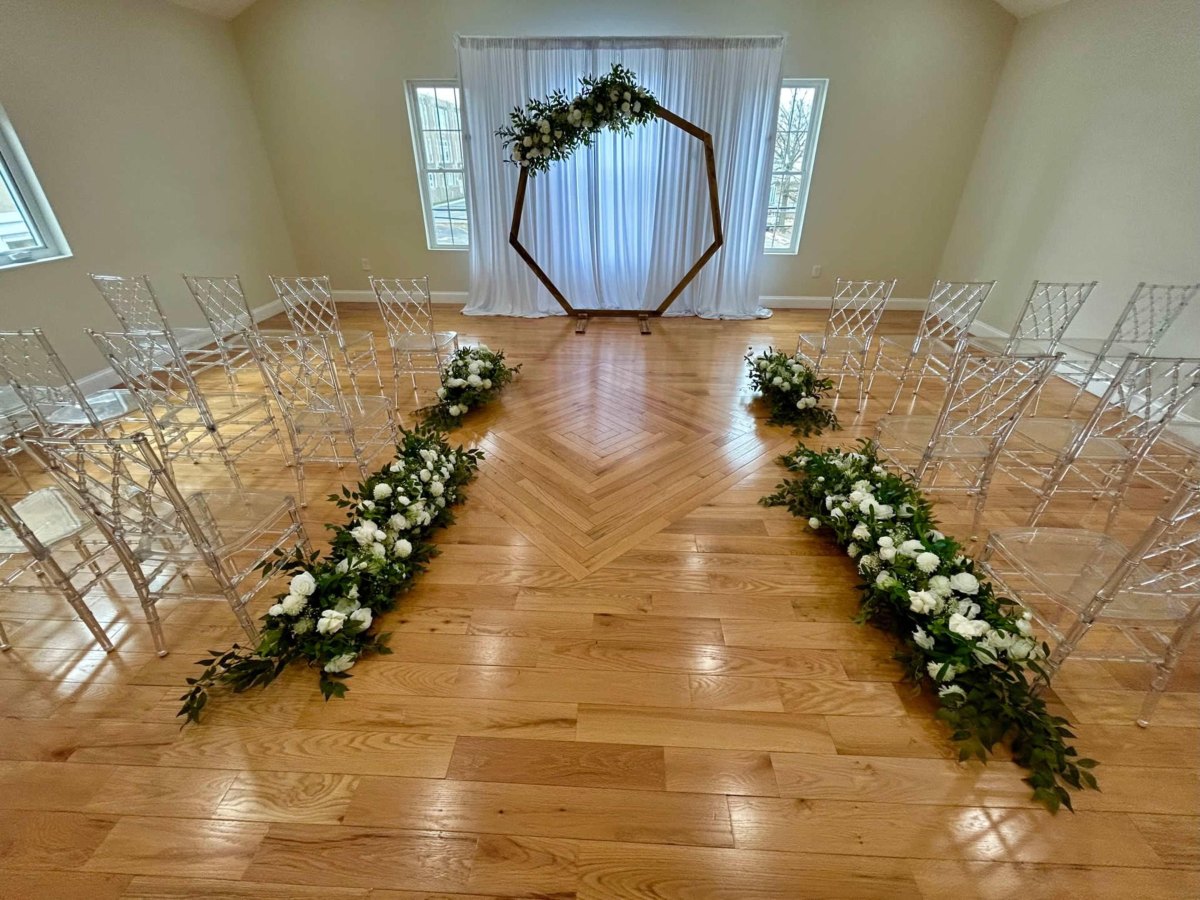
I always start with the entrance because the first thirty seconds set the emotional temperature. A strong ceremony entrance path gives everyone a clear place to walk, pause, and arrive without bumping into chairs or photographers.
For tiny weddings, I often prefer a simple aisle that lets guests watch the person entering rather than watching the logistics. A small space can feel grand when the movement is intentional.
Intimate Guest Seating Arrangement
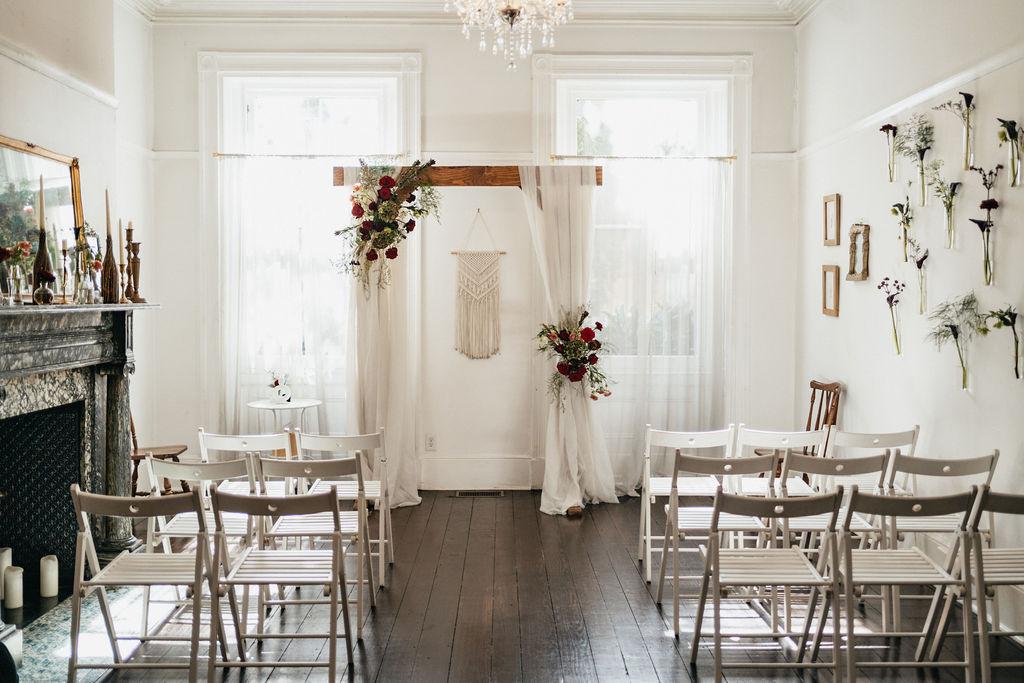
With fewer guests, seating becomes part of the ceremony conversation. I have seen couples create beautiful moments simply by arranging chairs so everyone feels close enough to catch the expressions, not just the words.
A practical guest seating arrangement keeps the front rows meaningful and avoids leaving loved ones scattered in a way that feels accidental. Seating templates can help adapt rows to gardens, chapels, and halls.
| Guest count | Layout idea |
|---|---|
| Under 20 | Two or three compact rows |
| 20-50 | Balanced aisle with grouped seating |
Circular Seating Configuration
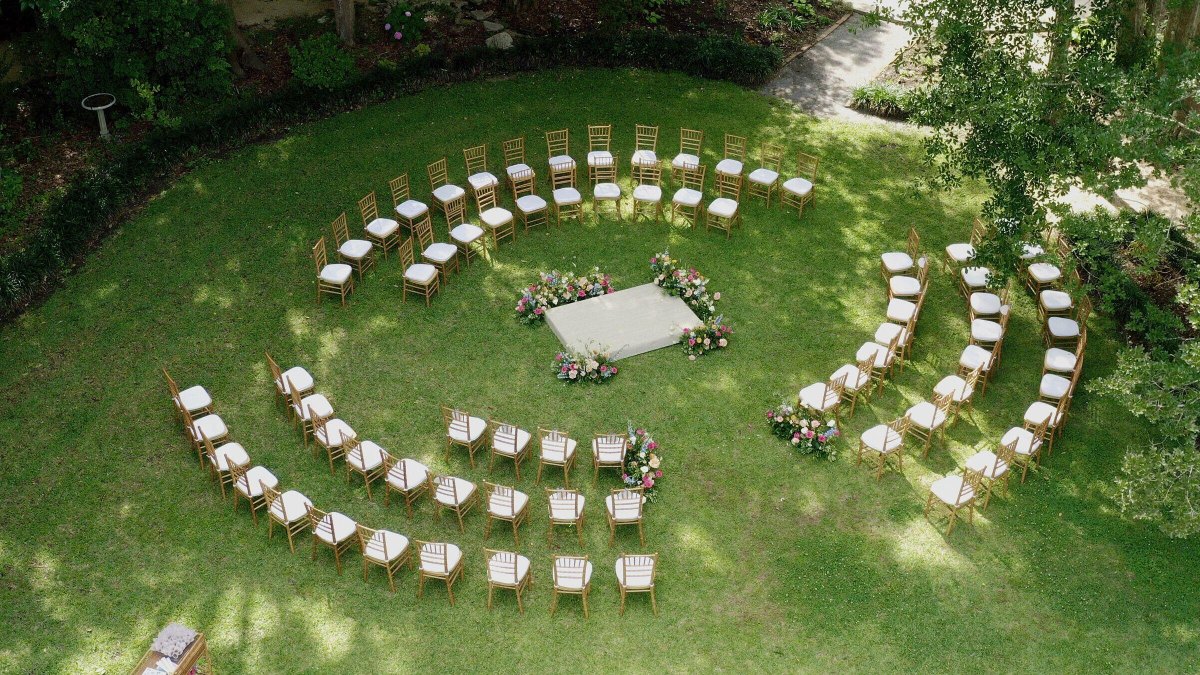
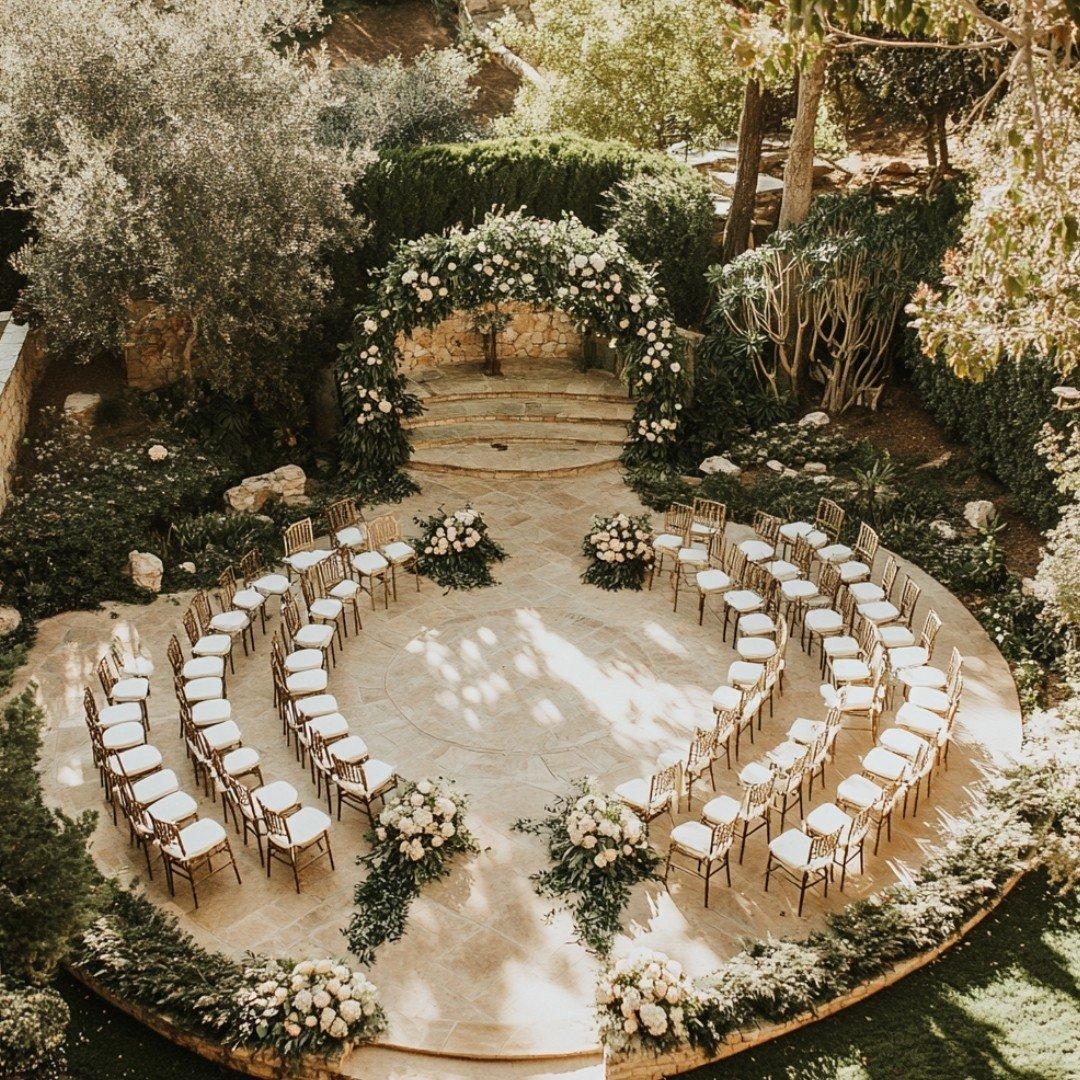
The circle is one of my favorite choices when a couple wants connection over tradition. Guests see each other, the couple, and the ceremony feels less like a performance and more like a gathering.
A circular ceremony layout works especially well for small groups, though I remind couples to leave enough room for photography and the officiant's movement. Circular arrangements are often used because they encourage visibility and conversation.
Long Aisle Micro Wedding Setup
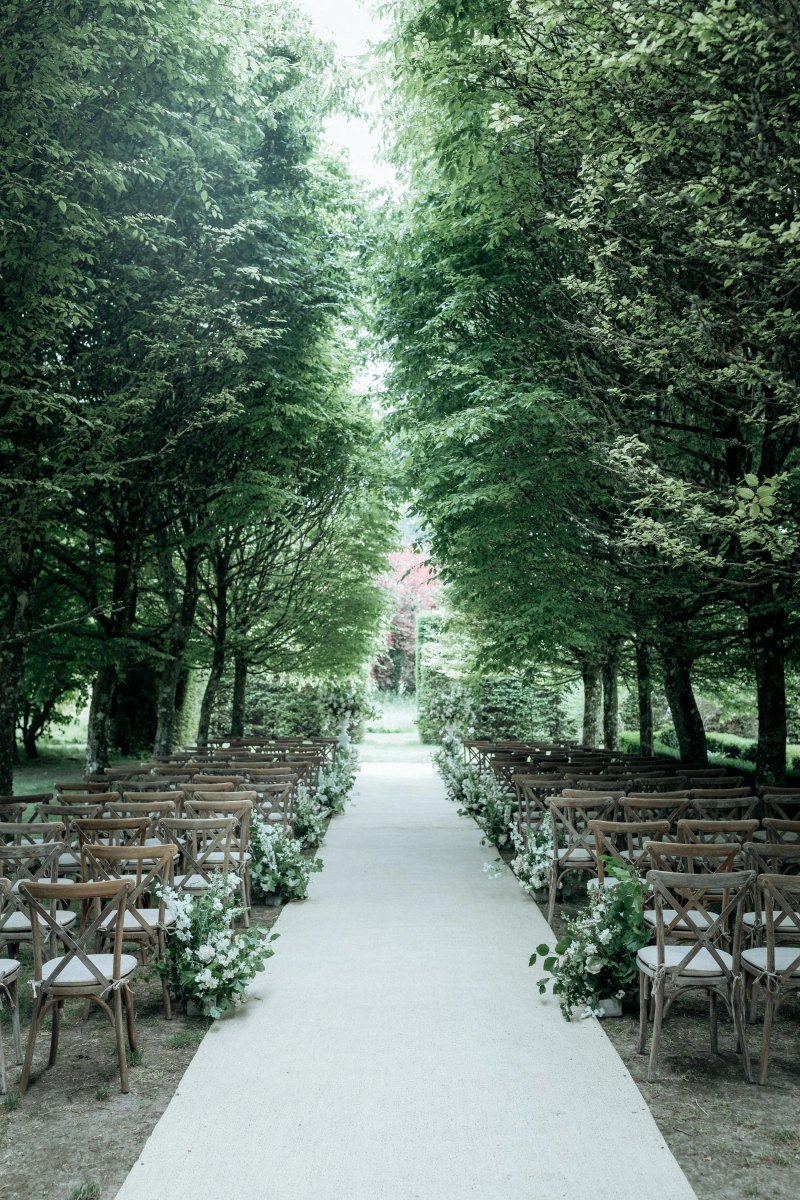
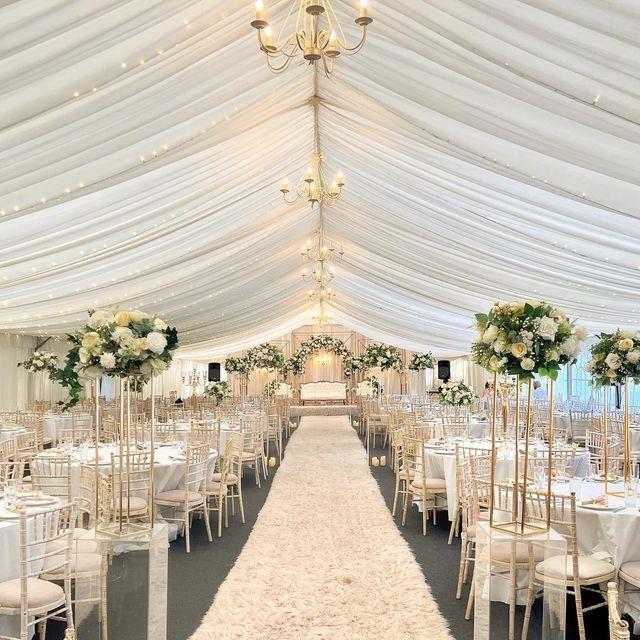
A long aisle is not only for large weddings. I have officiated small ceremonies where a simple walk created the exact pause the couple wanted before their vows.
The trick is keeping the long aisle design proportional. In a tiny venue, an oversized aisle can make guests feel distant instead of connected.
My tip
Walk the aisle yourself before the ceremony. The view from the front is often very different from the view on paper.
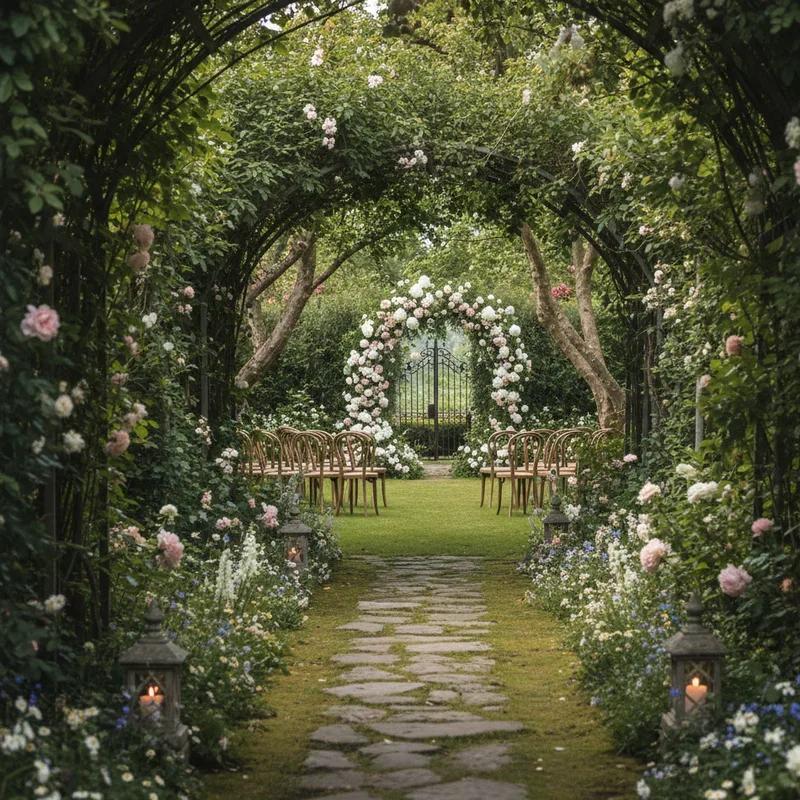
Garden Micro Wedding Layout
Garden ceremonies are forgiving because nature supplies the backdrop, but the layout still needs discipline. I have seen beautiful gardens fail when guests cannot find their seats or the sun lands directly in everyone's eyes.
A good garden wedding layout considers shade, walking surfaces, and weather. Outdoor ceremonies may require permissions or permits depending on the location, so couples should confirm requirements with the managing authority.
Indoor Chapel Style Layout
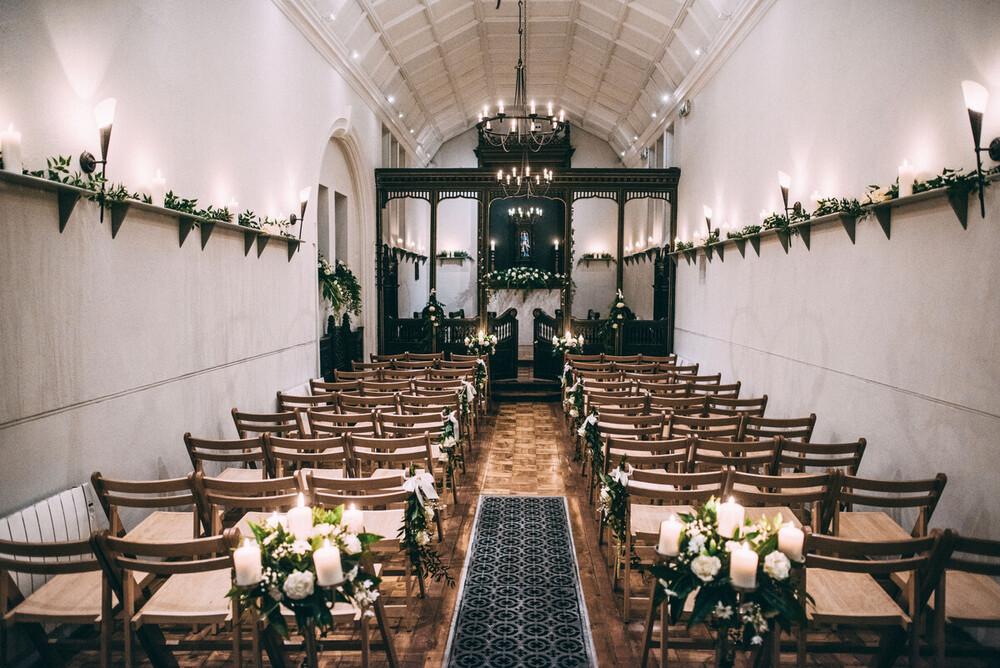
Small indoor spaces can create some of the most emotional ceremonies I know. A chapel-style arrangement naturally focuses attention forward and keeps voices warm and easy to hear.
I look for clear chapel sightlines first. The prettiest room still needs guests to see the couple's faces.
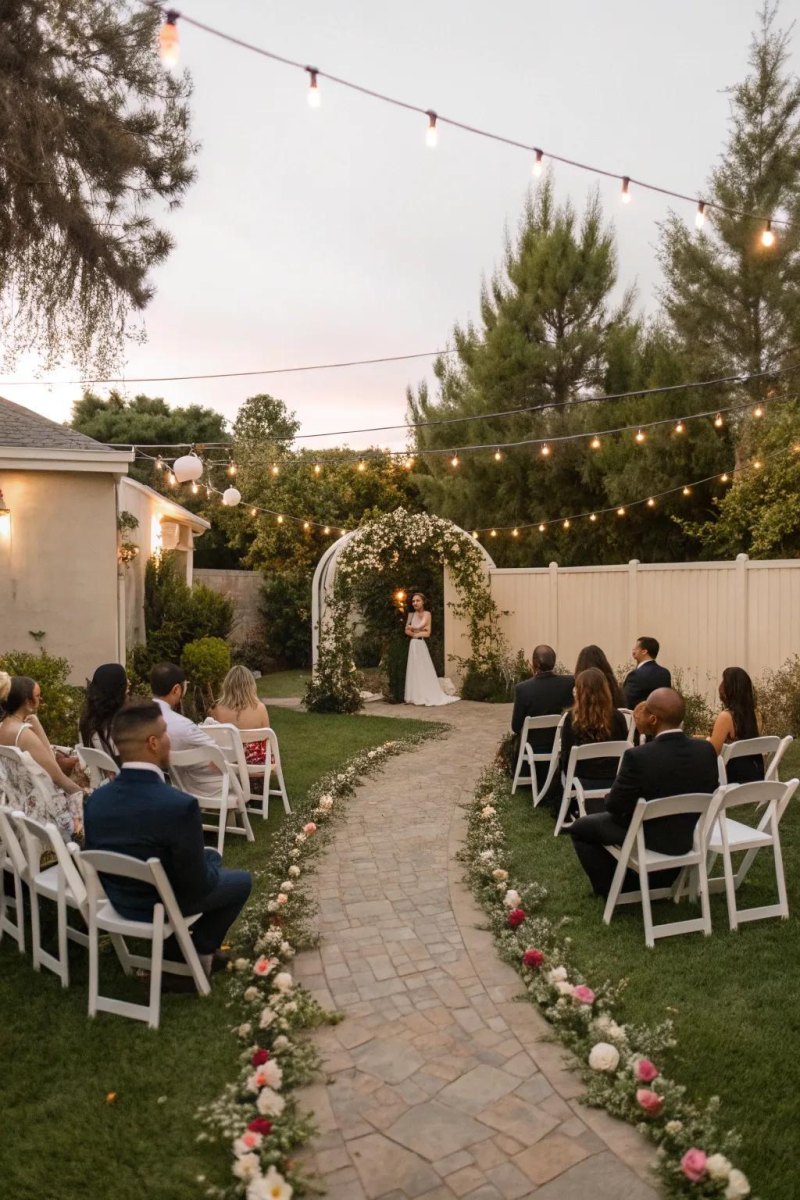
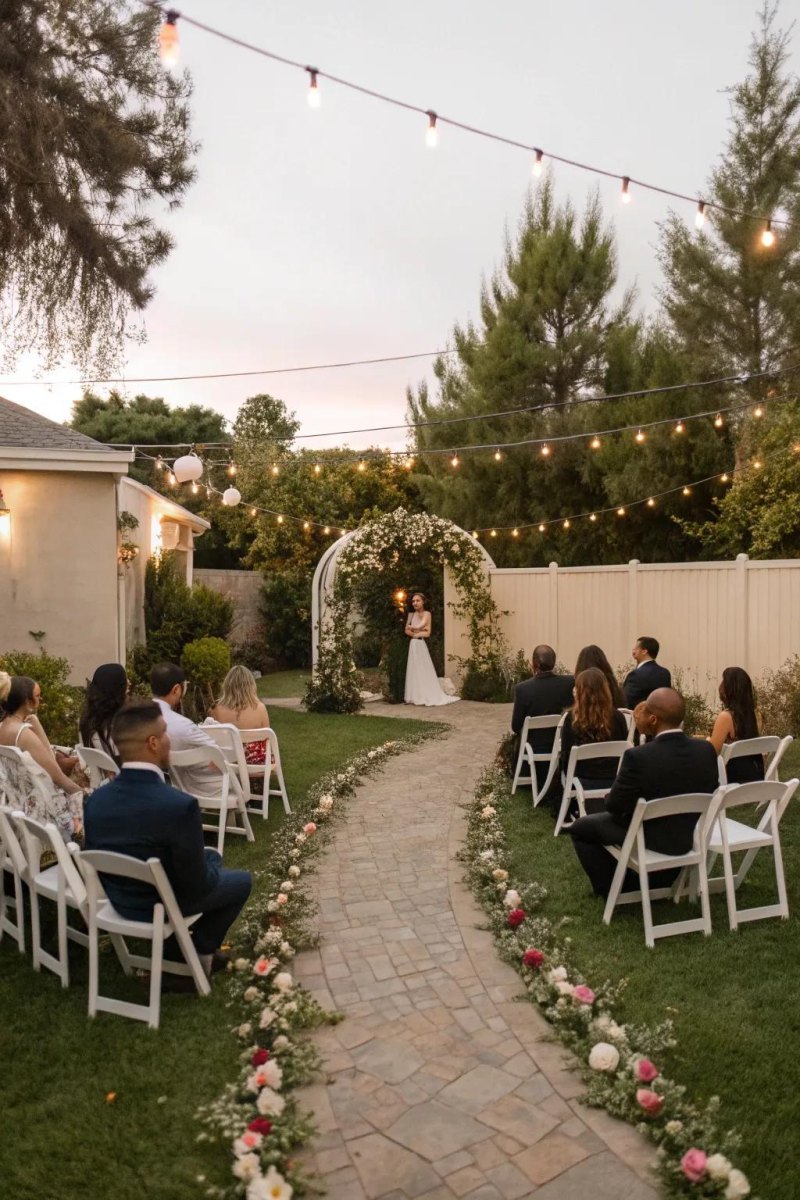
Backyard Ceremony Layout
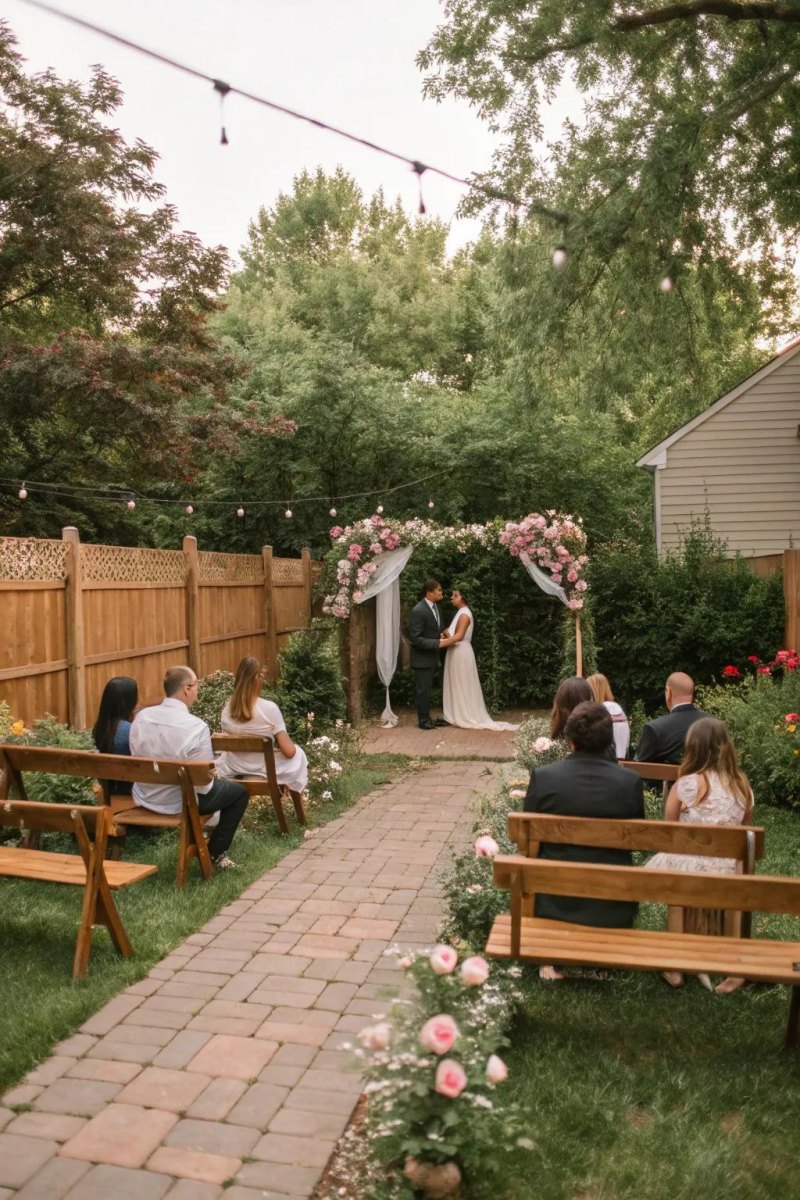
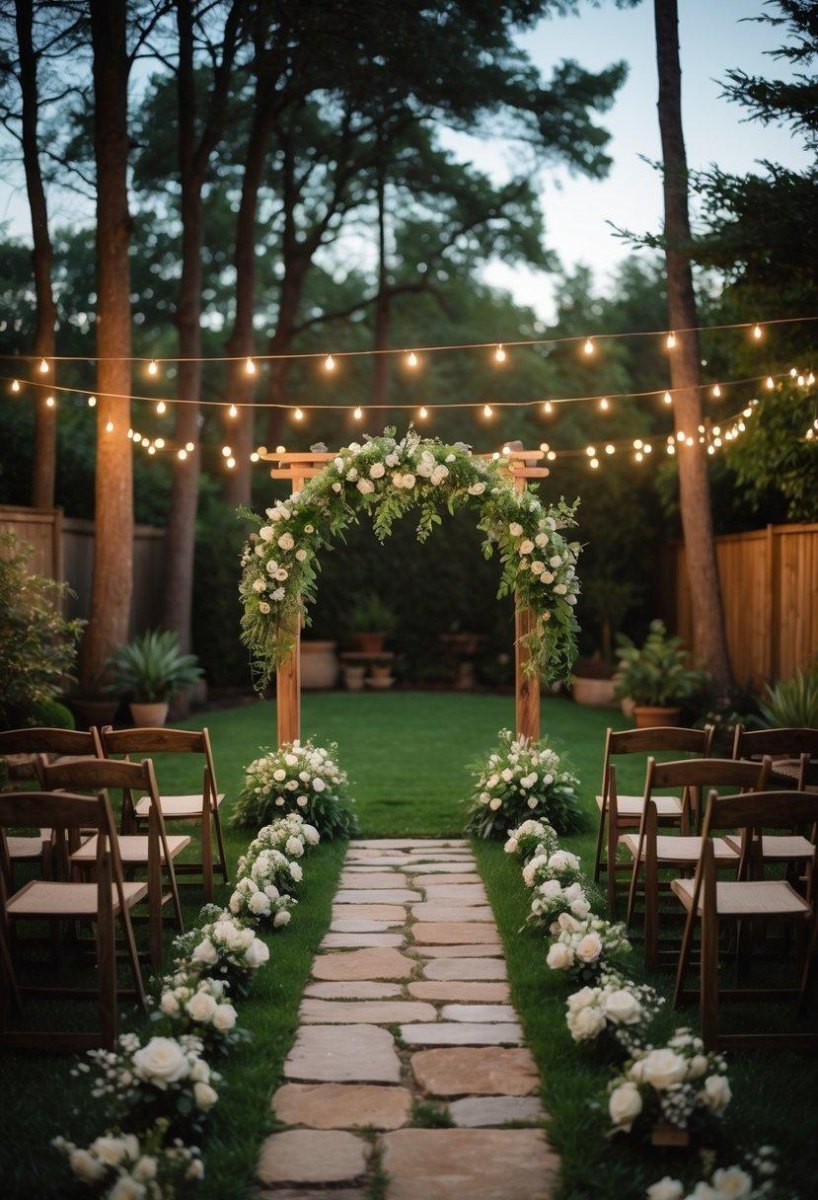
I have hosted four weddings in my own backyard, so I know the romance and the reality. Someone still has to think about parking, bathrooms, power, neighbors, and where the caterer will stand.
A successful backyard ceremony plan creates zones for guests, vendors, and the couple instead of simply placing chairs on grass. Backyard guides commonly emphasize guest flow, weather protection, and practical access points.
Avoid this mistake
Do not design only for the photograph. Design for Grandma's walk, the vendor's setup, and the guest who needs a comfortable seat.
Beach Micro Wedding Arrangement

Beach ceremonies look simple because the ocean does the decorating, but sand, wind, tides, and access change everything. I tell couples to think about comfort before aesthetics.
A thoughtful beach wedding arrangement keeps chairs, ceremony elements, and guests protected while respecting local rules. Public beaches and protected areas may have permit requirements, so always check with the responsible agency.
Minimalist Modern Ceremony Design
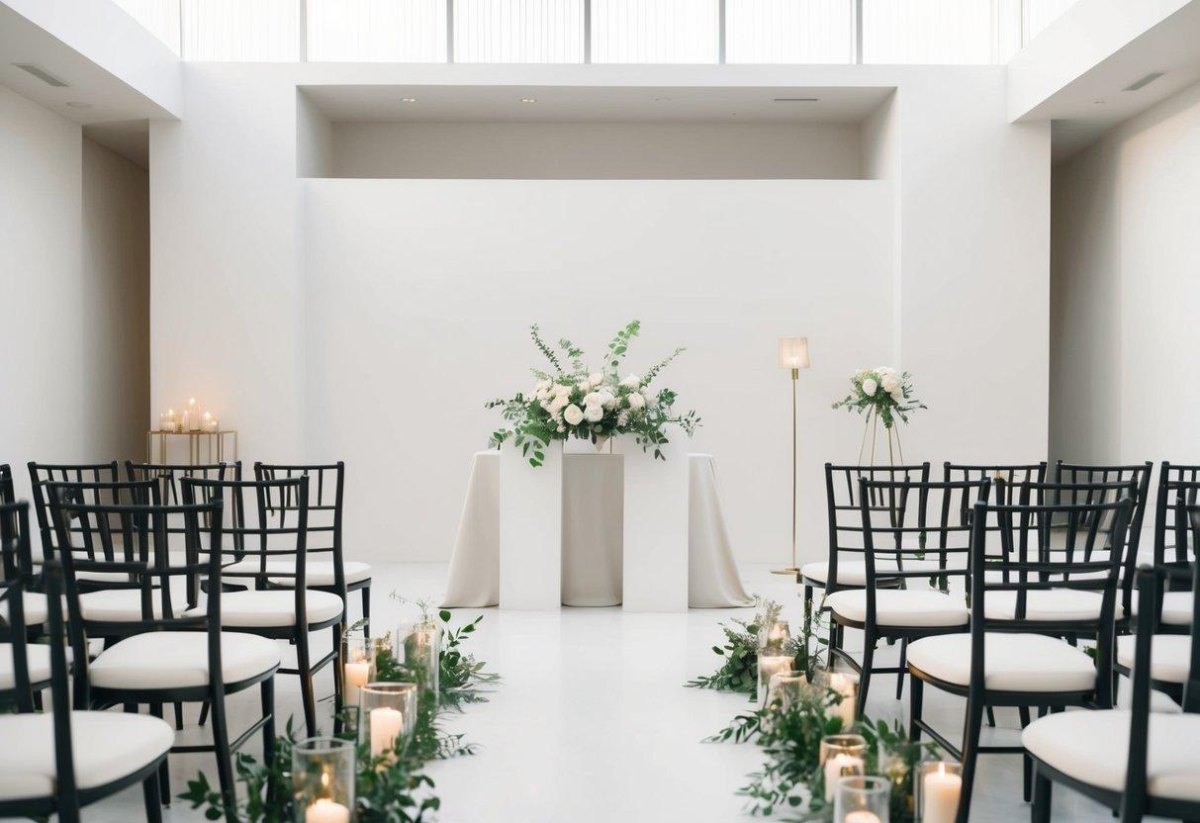
Minimalism is not an empty room. The best minimalist ceremonies I see remove distractions and let the couple become the focal point. Current wedding design coverage highlights clean lines, intentional details, and fewer but stronger visual elements.
A modern minimalist layout usually needs excellent spacing, one strong focal area, and confidence in what is left out.
Floral Arch Focal Point Layout
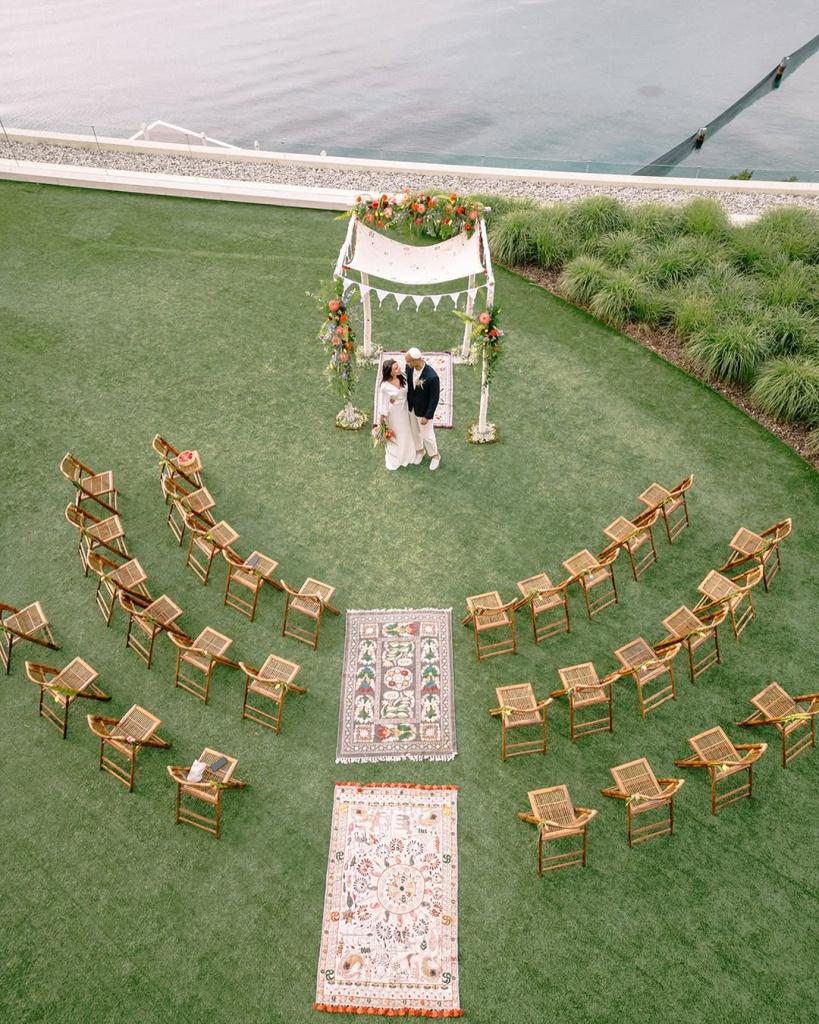
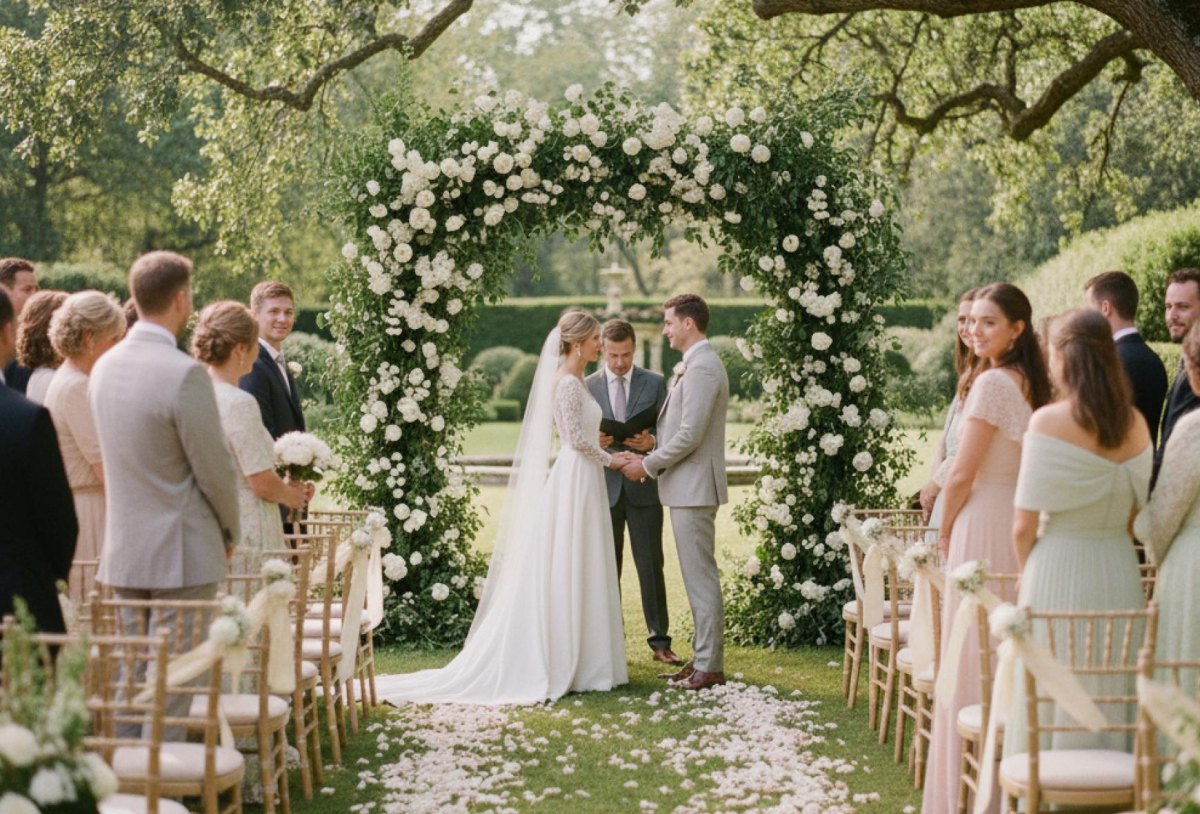
A floral arch tells guests exactly where to look, which is why placement matters more than size. I have watched couples spend heavily on flowers only to hide the best view of the vows.
The strongest arch focal point supports the ceremony rather than competing with it. Many current minimalist designs use a single sculptural structure or carefully placed floral statement.
Couple and Officiant Positioning
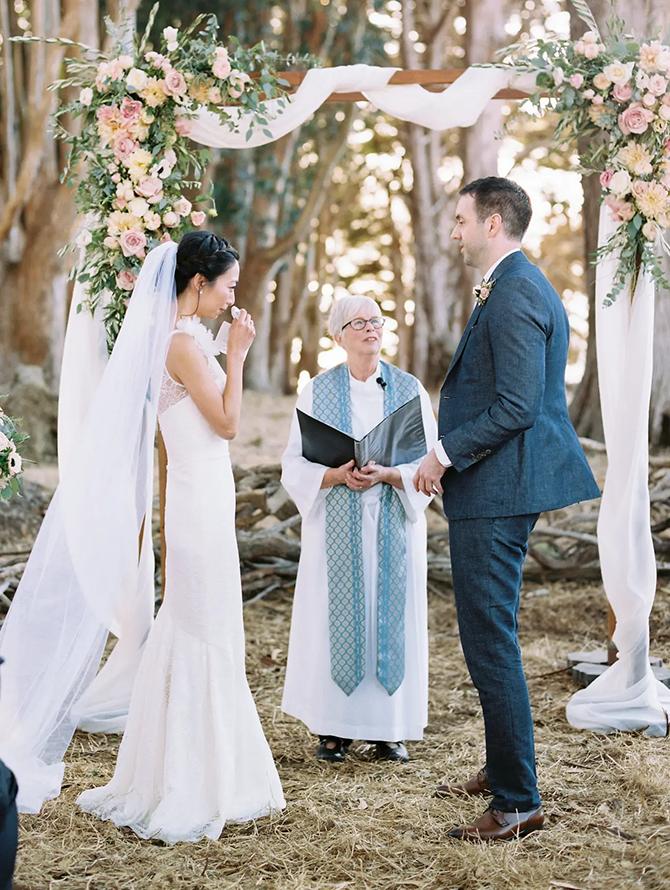
From where I stand, positioning is one of the details guests never notice when it works. The couple should feel connected, and the officiant should not become a wall between them and their people.
A balanced officiant positioning setup protects sightlines and photographs while keeping the ceremony conversational. Many modern arrangements place the officiant slightly aside to open the view.
Family Focused Seating Plan
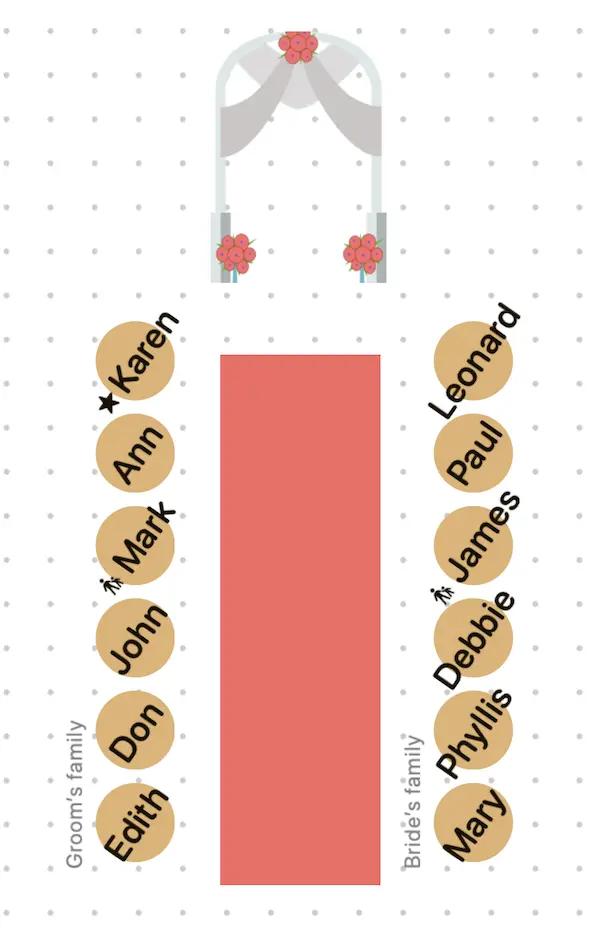
Small weddings bring family relationships closer to the surface. A seating chart is not just furniture placement; sometimes it is a quiet way of honoring complicated histories.
I recommend a family seating plan that considers comfort, visibility, and emotional reality rather than following rules that no longer fit the couple.
Reception Transition Layout
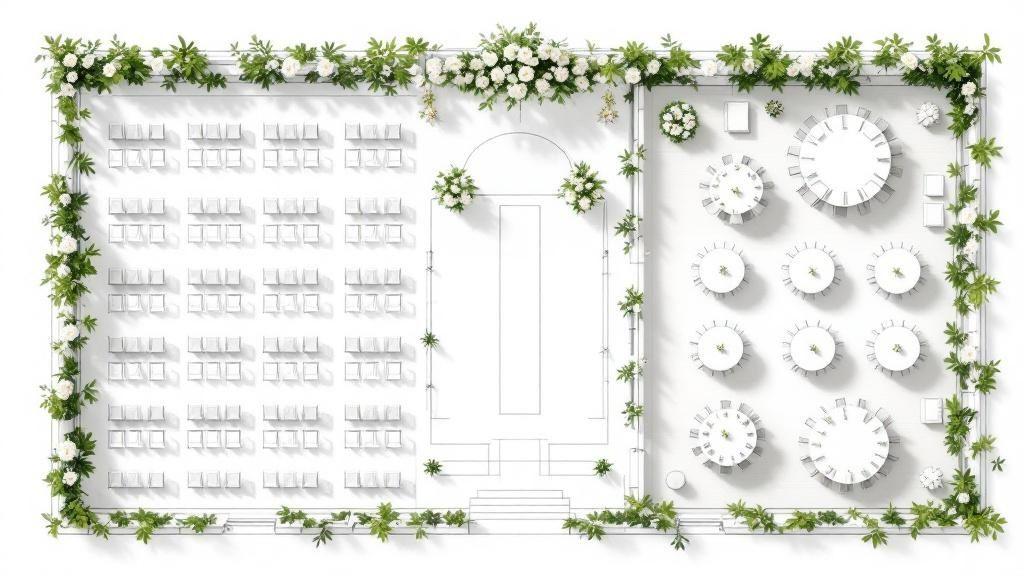
The ceremony does not end when the vows finish. Guests need a natural next step, especially in a small venue where every movement is noticeable.
A smooth ceremony reception transition uses clear paths for drinks, photos, dining, and conversation. Backyard and small venue planning often focuses on the guest journey from arrival through the celebration.
Lighting and Decor Placement
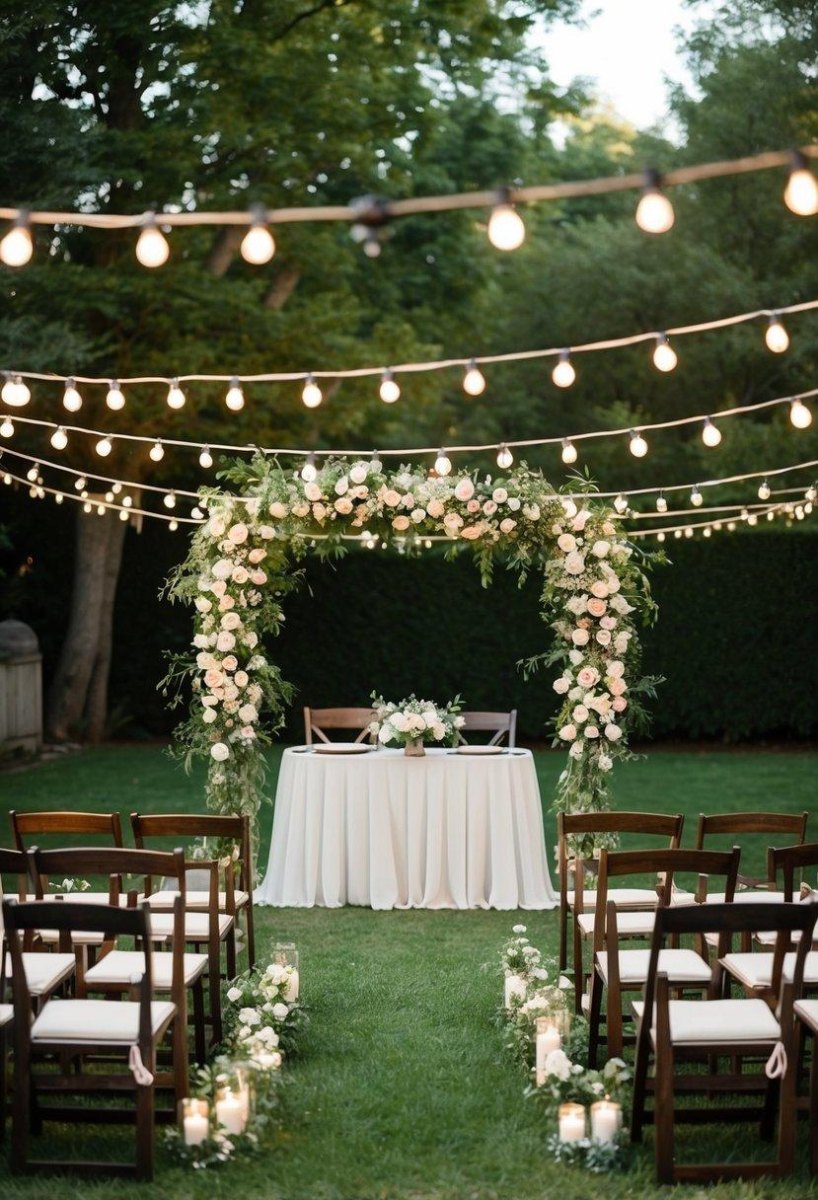
Lighting changes how a ceremony feels, sometimes more than flowers do. I have seen simple spaces become magical because someone thought about where guests would look as evening arrived.
Good lighting placement highlights the couple, keeps pathways safe, and supports the mood without overwhelming the ceremony. Modern wedding design often combines warm lighting with restrained decor.
Small Space Ceremony Flow Plan
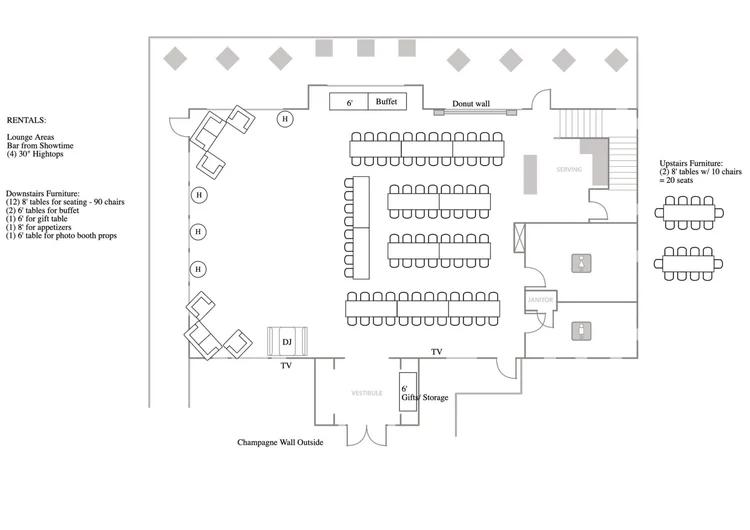
Small spaces reward planning because every step matters. I tell couples to walk through the ceremony physically, not just imagine it on a sketch.
A reliable ceremony flow plan maps entrances, standing positions, readings, exits, and the moments when guests need direction.